

Xinjiang Travel Guide and Points to Note
In recent years, Xinjiang has emerged as a popular holiday destination for many, thanks to its unique cultural mystique and the indescribable natural scenery bestowed by nature.
It is often said that Tibet is an illness that cannot be cured unless you go there; Xinjiang is an addiction that you cannot shake once you’ve been. Since it’s an addiction you can’t shake, let’s go! Xinjiang offers different kinds of beauty throughout the four seasons, so you can set off whenever you wish. But before you go, don’t forget to do your homework: what are the key things to bear in mind when travelling in Xinjiang? Let’s break it down into the four key areas of clothing, food, accommodation and transport!
Xinjiang Travel Guide – Food Edition
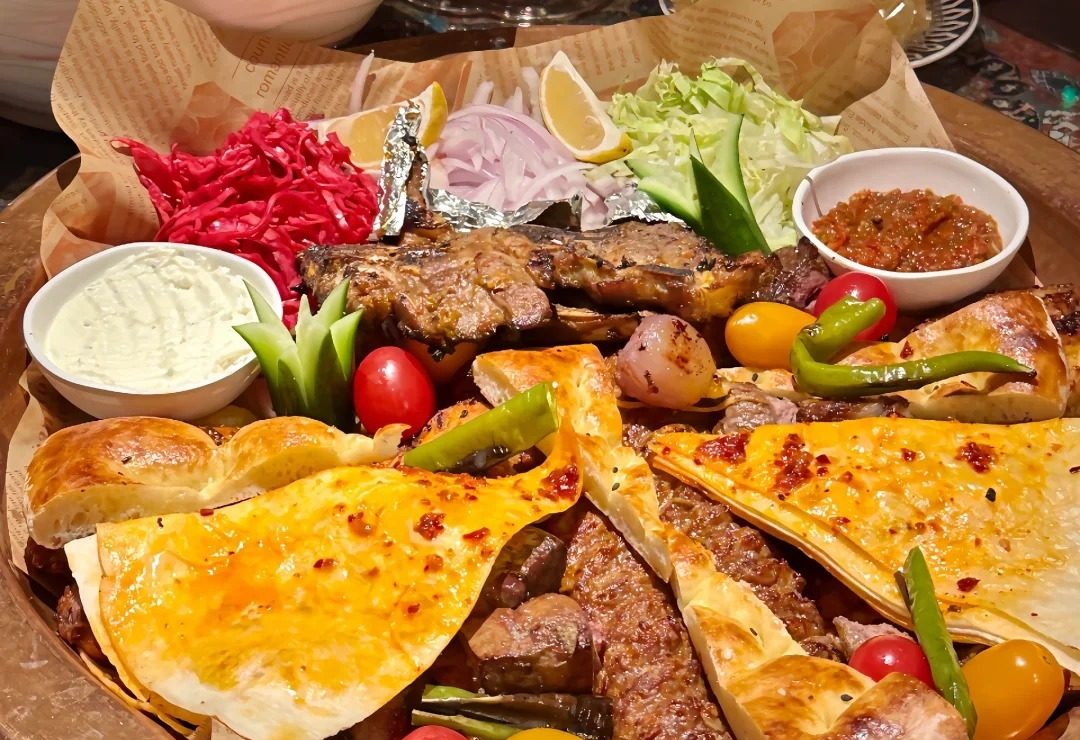
1.Only when you’ve been to Xinjiang will you truly know what ‘meat’ tastes like: Big Plate Chicken, naan-oven roasted meat, pot-roasted meat, lamb skewers, lamb trotters, roasted lamb leg and more.
2.A variety of Xinjiang speciality snacks: liangpi, la tiaozi, stir-fried rice noodles, pilaf, meatball soup, yoghurt, Wusu beer…
3.Delicious and affordable Xinjiang fruits and melons – this is a paradise for fruit lovers. But be careful! Don’t drink hot tea immediately after eating them, to avoid diarrhoea. And don’t eat too much. Also, bear in mind that fruit here is sold by the ‘kilogram’.
4.Most people in the Xinjiang region are Muslim, and there are many halal restaurants here. Do not ask for pork in these establishments, and do not bring in non-halal food. If you are not used to the local cuisine, you may opt for Han Chinese dishes.
5.The climate in Xinjiang is dry; you may wish to bring your own thermos flask. Drink plenty of water whilst sightseeing, and eating some beef or mutton will help you maintain your stamina.
Xinjiang Travel Guide – What to Wear
1.Sun protection is essential in Xinjiang:
UV levels are very high in Xinjiang, so carry sun cream with an SPF of at least 50+ and reapply it regularly.
2.Sunglasses and a sun hat are essential:
The main purpose is to protect your eyes from the sun, whilst the secondary benefit is that they look great in photos.
3.Long-sleeved sun-protective clothing is essential:
This serves both to protect against the sun and to ward off insects. The UV rays in Xinjiang are so intense that without the protection of long sleeves, you may end up with sunburn severe enough to peel. Furthermore, if your itinerary includes attractions such as Wucai Tan—a world-renowned mosquito hotspot—or the grasslands of Nalati, please ensure you pack this item!
4.A thick coat is essential for travelling in Xinjiang:
Aside from a 20-degree temperature difference between day and night, there are also significant temperature variations across different regions within Xinjiang. Therefore, regardless of the season, please ensure you pack a thick coat, such as a lightweight down jacket or a fleece-lined windbreaker.
5.Hydrating face masks:
The fatigue of travelling and Xinjiang’s dry climate can both lead to dehydrated skin, so it is best to bring a few hydrating face masks or moisturisers to soothe your skin.
6.Essential Medicines:
As with any trip, to avoid issues arising from differences in medication practices, it is advisable to pack stomach medicine, insect repellent, ointment for minor injuries, and stimulants to help you stay alert, as well as any cold remedies prescribed by your local GP.
7.Comfortable trainers:
Apart from winter, when you’ll need waterproof snow boots, comfortable trainers will suffice for the rest of the year.
8.Is there a risk of altitude sickness when travelling in Xinjiang?
Apart from the Pamir Plateau, where altitudes exceed 4,000 metres, there is no need to worry about altitude sickness elsewhere in Xinjiang. If you are concerned about feeling unwell on the Pamir Plateau, you may wish to bring oxygen sachets and glucose; avoid strenuous exercise and alcohol whilst there. (If you have any health concerns, please contact a Xinjiang travel adviser.)
Xinjiang Travel Guide – Accommodation
1.Temperature and Temperature Differences
There are significant temperature differences between day and night in Xinjiang. When sleeping, set the air conditioning to a higher temperature and cover yourself well with a duvet to avoid catching a chill.
2.How Far in Advance to Book Accommodation
During peak season, you must book hotels well in advance; otherwise, you may not be able to secure accommodation at short notice! (If you have any booking queries, please contact a Xinjiang travel adviser.)
3.Where to Stay
Urumqi’s city centre is 15 kilometres from the outskirts, making it convenient to choose a hotel, with easy access to dining, entertainment and transport.
4.Accommodation Types
Within the Old Town of Kashgar, you can opt for guesthouses, which offer excellent value for money.
Xinjiang Travel Guide – Transport and Driving
1.Travel Distances:
Xinjiang covers a vast area, with distances between tourist attractions measured in hundreds of kilometres. As two-thirds of your journey will be spent in the car, ensuring your comfort whilst travelling is essential. Do not forget to bring travel sickness tablets and Green Oil Essence.
2.Essential Items for the Journey:
U-shaped pillows, eye masks, etc.: These allow you to take a nap in the car, relieve neck strain and alleviate fatigue. You should also bring a pair of shoes to wear whilst travelling.
3.Essential Travel Gear
Rucksack: Pack a rucksack to keep frequently used items and snacks within easy reach. You can also carry more items whilst exploring the attractions.
4.Local time difference:
There is a 2-hour time difference between Xinjiang and Beijing Time. Sightseeing activities will be scheduled between 09:00 and 22:00, so your daily routine will be pushed back by 2 hours. You may wish to carry some dry rations and snacks to eat when you’re hungry, or bring some naan bought locally to enjoy on the coach.
5.Cash and Payments
Carry some cash with you. Although Alipay and WeChat Pay are accepted in most parts of Xinjiang, mobile network coverage is poor and connections are often unreliable, so cash transactions are actually more convenient. (If you have any questions, please contact our Xinjiang adviser.)
Summary of Travel Tips for Xinjiang
Finally, a reminder to all those planning to visit Xinjiang: Xinjiang is a region with a strong ethnic minority presence and a deep-rooted religious culture, where Islam is the predominant faith. Please respect the beliefs of the local people and be mindful of religious taboos. Familiarising yourself with local customs and traditions before your trip and making the necessary preparations are essential for a truly immersive experience. Xinjiang is a place that combines natural beauty with rich cultural heritage, and is well worth exploring at a leisurely pace.
If you are still unsure how to plan your trip to Xinjiang, please feel free to contact us; we are happy to provide you with professional itinerary planning and bespoke travel services for Xinjiang.
Why Choose Us (10,000+ reviews & 98.8% 5-star rating)
Save Your Time:
▪ Less research, more enjoyment!
▪ Real-time 1V1 expert planning
Maximize Your Flexibility:
▪ Personal local guide and ride
▪ Explore at your own pace
Live Your China Story:
▪ Authentic local culture and lifestyles
▪ Understand the culture by living it
【Top Picks】
Top-Rated Travel Planner
10 years of experience planning travel itineraries!
We’ll save you the hassle and help you save money!

WhatsApp number: +852 44412943
A Global Network of Trust and Recognition

Our Promise
A 4-on-1 Team Dedicated to You.
YOUR
PERSONAL TRAVEL DESIGNER
“
We’re Travelers First, Planners Second.”

Deeply rooted in Asia for authentic advice. Passionate about crafting your unique story.
YOUR
LOCAL
STORYTELLER
“
We share the stories you won’t find in a guidebook”

Connecting you with the top 20% of local storytellers. Your personal photographer for cherished moments.
YOUR
PRIVATE DRIVER
& CAR
“
20% more space, 100% on your schedule.”

A seamless journey that moves at your own pace. Your private, comfortable space on the road.
YOUR
24/7
TRAVEL SUPPORT
“
Any Problem, Anytime, Anywhere.”

Your safety and peace of mind are our priority. Instant responses, so you’re never left waiting.