

41 Essential Tips for Travelling to Xinjiang (2026/2027 Edition)
41 Essential Tips for Travelling to Xinjiang (2026/2027 Edition)
What should you bear in mind when travelling to Xinjiang? Here are 41 essential tips to read before you set off, covering key information such as travel documents and permits for border control zones, security screening requirements, transport options, advice for self-drive holidays, climate and clothing, sun protection and skincare, food and drink culture, and safety issues.
Xinjiang is vast, and distances between different destinations can be considerable. Travel conditions and experiences can also be different from those in China’s major inland cities. Understanding local regulations and travel practices in advance can help reduce inconvenience and make your trip smoother.
This guide is useful for first-time visitors to Xinjiang, as well as travelers planning trips to Northern Xinjiang, Southern Xinjiang, Ili, Kashgar, the Pamir Plateau, and other destinations.
Before you set off, here are some of the most important things to know about traveling in Xinjiang:
- Main travel season: May to October is one of the most popular travel periods in Xinjiang, although the ideal time varies by region. Parts of Northern Xinjiang, especially grasslands, lakes, and mountain areas, usually have particularly attractive scenery during summer.
- Essential documents: Mainland Chinese travelers should carry a valid identity card. Travelers from Hong Kong, Macao, and Taiwan, as well as foreign visitors, should carry the appropriate valid travel documents. A Border Management Area Pass may be required for certain border areas.
- Getting around: Xinjiang is extremely large, and many popular attractions are far apart. Depending on your itinerary, you can choose private transportation, small-group tours, self-driving, or public transportation. Self-driving travelers should check road conditions, weather, and speed limits in advance.
- Climate: Some parts of Xinjiang have significant day-and-night temperature differences. Summer sunshine can be strong, and many areas have a dry climate. Sun protection, hydration, and moisturizing are important during your trip.
Below are 41 practical Xinjiang travel tips to help you prepare before departure.
1. What documents do you need for a trip to Xinjiang? Always carry your identification
Your identification may be required for hotel registration, flights, trains, and certain identity checks during your trip.Prepare the appropriate documents according to your status:
- Mainland Chinese travelers: Valid Resident Identity Card
- Travelers from Hong Kong and Macao: Valid Mainland Travel Permit
- Travelers from Taiwan: Valid Mainland Travel Permit.
- Foreign travelers: Valid passport and a visa or visa-free eligibility that meets China’s entry requirements
Keep your documents in a secure and easily accessible place. You may also store copies or relevant information on your phone as a backup, but a digital photo does not replace the original document when the original is required.
2. Can foreigners travel to Xinjiang visa-free in 2026? Check the latest entry rules before departure
China has continued to adjust and expand its visa and visa-free policies for foreign visitors in recent years.For example, holders of ordinary Singaporean passports who meet the current visa-free requirements may enter China without a visa for tourism and other eligible short-term activities.
Ordinary Malaysian passport holders may enter China for eligible purposes such as tourism, visiting relatives or friends, and business activities, subject to the applicable visa-free conditions. The permitted stay is up to 30 days per entry, with a cumulative stay of no more than 90 days within each 180-day period.
Keep in mind that visa-free policies usually depend on factors such as passport type, purpose of travel, and length of stay. Not every foreign visitor or travel purpose automatically qualifies.
If you are planning a trip to Xinjiang, check the latest entry requirements through official channels such as China’s National Immigration Administration and the relevant Chinese embassy or consulate before departure.
If your purpose of travel does not qualify for visa-free entry, or if you plan to stay longer than the permitted visa-free period, you should apply for the appropriate visa in advance.
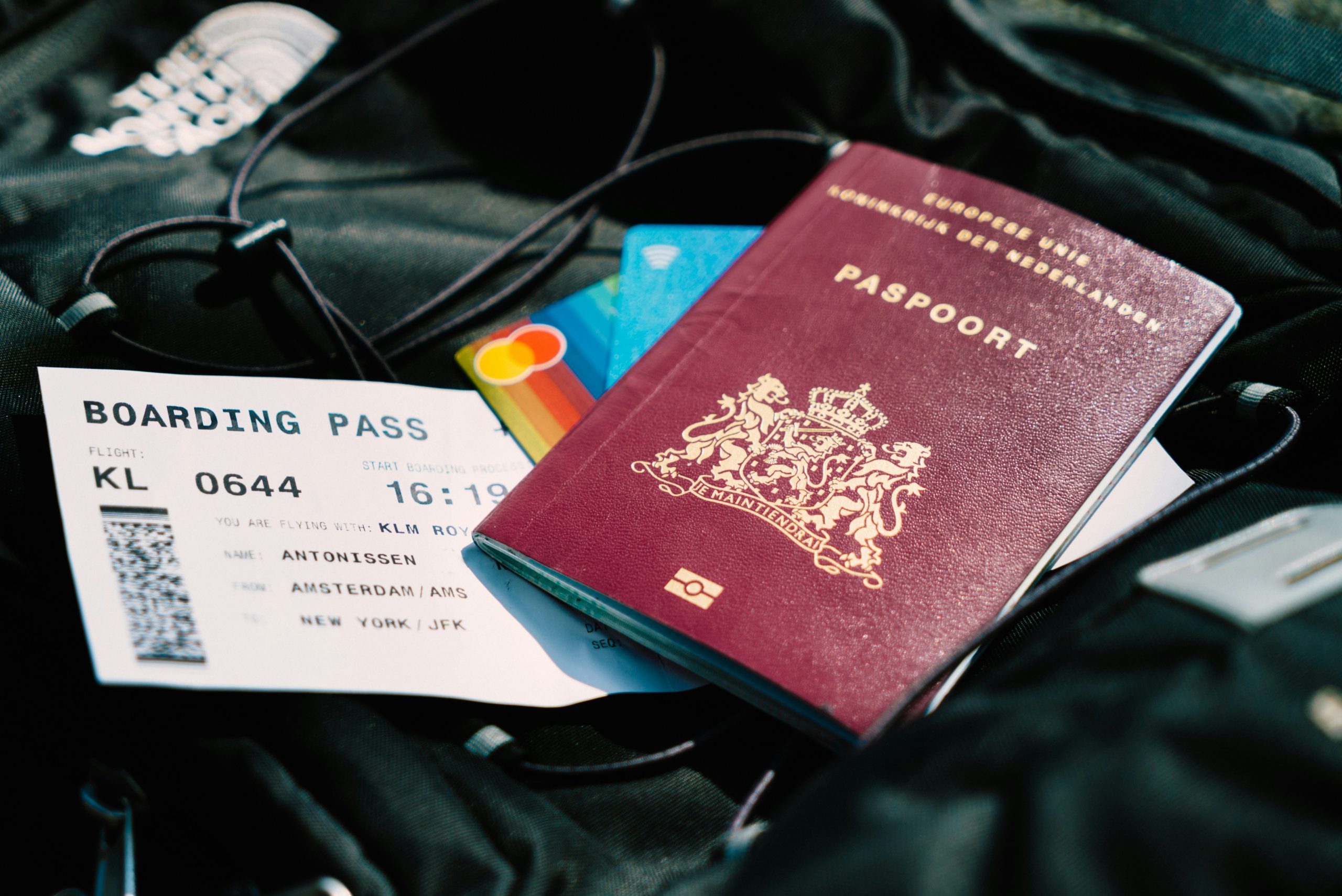
3. Which areas of Xinjiang require a Border Management Area Pass?
Some parts of Xinjiang are located within border management areas. Travelers entering certain areas may need to obtain a Border Management Area Pass in accordance with local regulations.
For example, some itineraries to the Pamir Plateau, Taxkorgan, and other border areas may involve additional entry requirements.
Requirements can vary by destination, and not every tourist attraction in Xinjiang requires a Border Management Area Pass.
If your itinerary includes a border area, check in advance whether a permit is required for your specific destination and prepare the necessary documents according to the latest local regulations.
4. Where can you apply for a Border Management Area Pass? Electronic permits are now available
Since April 15, 2026, China has introduced electronic Border Management Area Passes. New paper permits are no longer being issued, although previously issued paper permits can continue to be used while they remain valid.
Mainland Chinese residents aged 16 or above can apply for an electronic Border Management Area Pass valid for up to three months through the National Immigration Administration government service platform, the “NIA 12367” app, and WeChat or Alipay mini programs.
If online application is difficult, applicants may also apply in person at an exit-entry administration office of a public security authority at county level or above, or at a designated police station, in accordance with the relevant procedures.
Hong Kong, Macao, and Taiwan residents, overseas Chinese, foreign nationals, accompanying children under 16, and mainland Chinese residents applying for a one-year electronic permit are required to apply in person according to the applicable procedures.
Before traveling to border areas in Xinjiang, check the latest requirements for your destination and travel documents to avoid having to change your itinerary at the last minute.
5. Is security screening strict in Xinjiang? Be prepared for checks in public places
Security checks may be carried out at airports, railway stations, shopping centers, scenic areas, and other public places in Xinjiang.
Requirements can vary from one location to another. Travelers generally just need to follow the instructions of staff on site.
When traveling by air or train, organize your luggage in advance and avoid carrying prohibited or restricted items.
When entering scenic areas or other controlled locations, follow the local security and management requirements.
6. What should you know about security checks in Xinjiang? Pack carefully
Before departure, check the latest luggage requirements of your transportation provider and airline.
When flying, pay particular attention to the following:
- Prohibited weapons and other restricted items cannot be carried.
- Lighters, matches, and other sources of ignition cannot be carried on board or placed in checked baggage.
- Certain liquids, lithium batteries, and power banks have specific transportation requirements.
- Some electronic devices may need to be inspected separately.
Do not rely solely on information from online travel blogs to determine whether an item can be taken on a flight. Always follow the latest requirements of the Civil Aviation Administration of China and your airline.
When packing, keep items that may need inspection somewhere easily accessible to make the security screening process more convenient.
7. Can you use a drone in Xinjiang? Some areas have flight restrictions
Drones are not prohibited everywhere in Xinjiang, but some areas are subject to airspace and flight-management restrictions.
There may be restrictions around airports, border areas, military facilities, and other controlled airspace. Some scenic areas may also impose their own restrictions on drone flights.
If you plan to bring a drone to Xinjiang, check in advance:
- Whether drone flights are permitted in the local airspace
- Whether the scenic area allows drone takeoffs
- Whether registration, reporting, or approval is required
- Whether temporary flight restrictions are in effect
This is especially important when traveling to border areas and high-altitude destinations. Do not assume that you can fly simply because another traveler was able to use a drone there.
8. Do you need to carry identification while traveling in Xinjiang?
In addition to routine security checks, travelers may encounter identity checks when using transportation, entering scenic areas, or visiting certain controlled areas.
Identity checks may be more common when traveling near border areas.
It is therefore recommended to carry your identity card, passport, or other valid travel document with you and keep it secure.
If staff ask to see your identification, simply present the required document according to the instructions on site.
9. What local rules should travelers know in Xinjiang?
Transportation, accommodation, and public places in Xinjiang generally operate under relevant national laws and regulations. Some areas may also have additional local management requirements based on local conditions.
When traveling by plane, train, or long-distance transportation, cooperate with security checks and identity verification.
When visiting scenic areas, follow opening hours, designated routes, and safety regulations.
During outdoor activities, do not enter closed or restricted areas, especially in deserts, grasslands, mountains, and canyons.
If you are driving, pay attention to speed limits, section speed checks, and changing weather conditions, and always follow road signs.
10. Are attractions in Xinjiang far apart? Many journeys involve long driving times
Xinjiang is enormous, and many attractions are located far from one another. This makes it unsuitable for overly packed, “checklist-style” itineraries.
On many popular routes, a significant part of the day may be spent traveling between destinations.
For example, trips from Urumqi to Kanas or from Kashgar to Taxkorgan require sufficient travel time.
Actual driving times depend on the route, weather, road conditions, and stops along the way.
Even within the Ili region, some attractions can be several hours apart.
When planning your itinerary, allow plenty of time for transportation. If you have a particularly long driving day, consider staying overnight along the way to make the overall trip more comfortable.
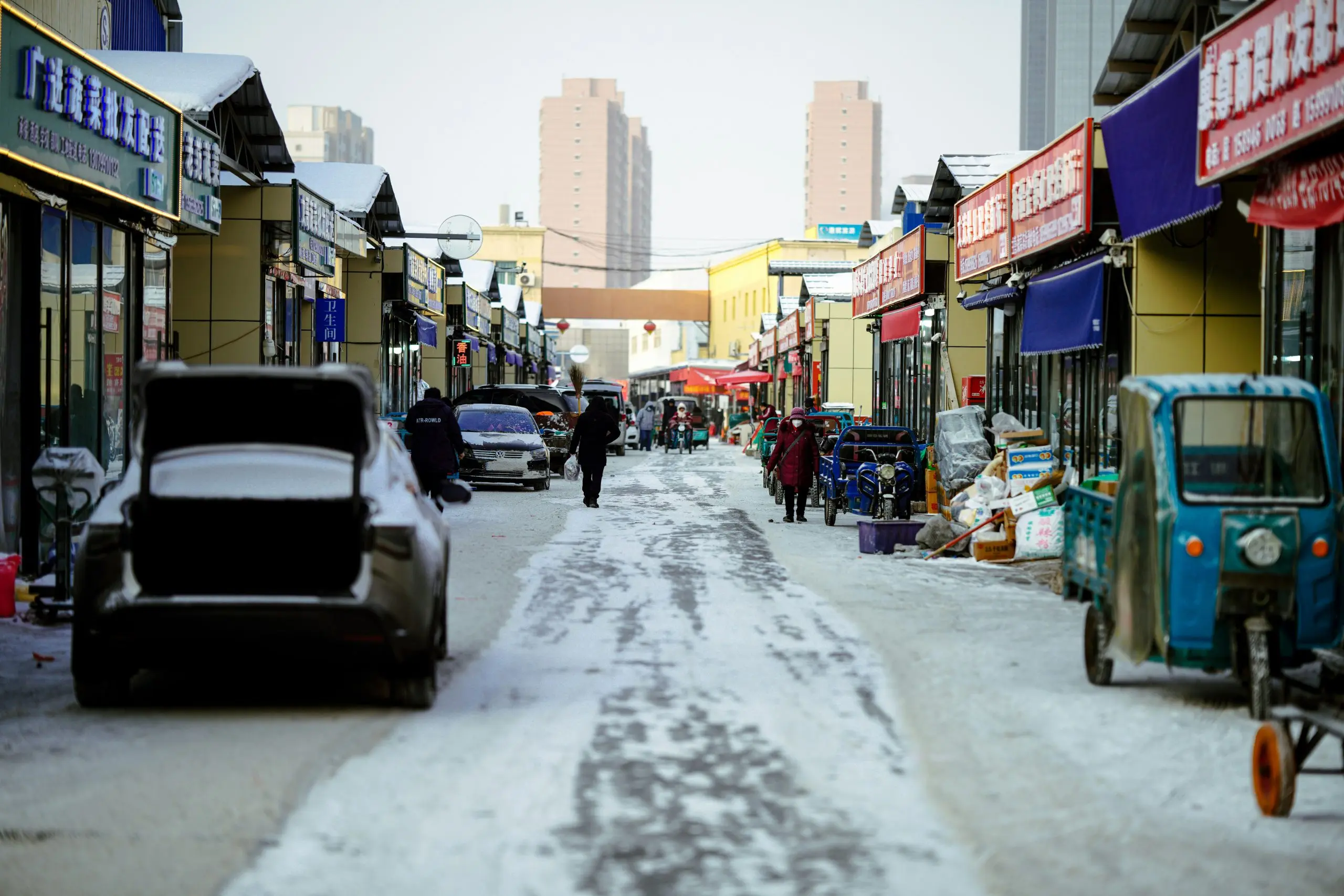
11. Is Xinjiang suitable for independent travel?
Xinjiang can be explored independently, but public transportation connections vary between different regions, and many attractions are far apart.
First-time visitors can choose between independent travel, private transportation, small-group tours, or self-driving depending on their travel experience, budget, and itinerary.
Private transportation or small-group tours can reduce the pressure of route planning, transportation connections, and long-distance driving.
If you book private transportation, confirm the vehicle, driver service, accommodation, and exactly what is included in the itinerary in advance.
If you travel independently, check transportation schedules ahead of time and leave some flexibility in your itinerary.
12. Is public transportation convenient in Xinjiang?
Public transportation such as buses, taxis, and ride-hailing services is relatively convenient within major cities in Xinjiang.
However, public transportation options may be much more limited when traveling from cities to remote attractions or between different scenic areas.
Some destinations require transfers or a combination of private transportation, tourist shuttle services, or scenic-area buses.
If you plan to rely mainly on public transportation, check routes, schedules, and operating hours in advance.
Also consider the effects of season, weather, and peak travel periods on transportation, and prepare a backup plan when necessary.
13. What should you know about driving in Xinjiang? Follow speed limits and plan your time carefully
Some roads in Xinjiang involve long driving distances, while mountain roads and remote routes may be affected by weather, construction, or snow.
Speed limits vary depending on the road and section. Expressways, national highways, provincial roads, and mountain roads may all have different speed restrictions.
Do not rely on fixed figures such as “100–120 km/h on expressways” or “60–80 km/h on national highways.”
Always follow the actual speed limit shown on road signs.
Avoid driving continuously for excessively long periods, and plan your driving time according to the route and road conditions.
Take extra care when driving in mountainous areas, at night, or during poor weather.
14. Is it easy to find gas stations in Xinjiang?
Gas stations are generally available in major cities, counties, and along many highways, but they can be less frequent in remote areas.
If you are driving through desert highways, mountainous areas, or other long-distance routes, check the locations of gas stations in advance.
Do not wait until your fuel level is very low before looking for the next gas station.
If you are about to enter a long remote section, consider filling up in advance and plan according to your vehicle’s actual fuel consumption.
When refueling, follow the operating and safety requirements of the local gas station.
15. Is mobile phone coverage good in Xinjiang?
In major cities, county towns, and many popular tourist destinations, mobile coverage is generally sufficient for everyday navigation, payments, and communication.
However, signal strength may become weak or disappear entirely in deep desert areas, remote grasslands, mountainous regions, undeveloped areas, and some high-altitude routes.
If you plan to visit such areas, download offline maps in advance.
Self-driving travelers can also save their hotel locations, scenic-area entrances, and important routes on their phones before departure.
If you are entering a remote area, consider telling family members or friends about your itinerary in advance so they know you may temporarily be out of contact.
16. When does the Duku Highway open? Opening dates depend on road conditions
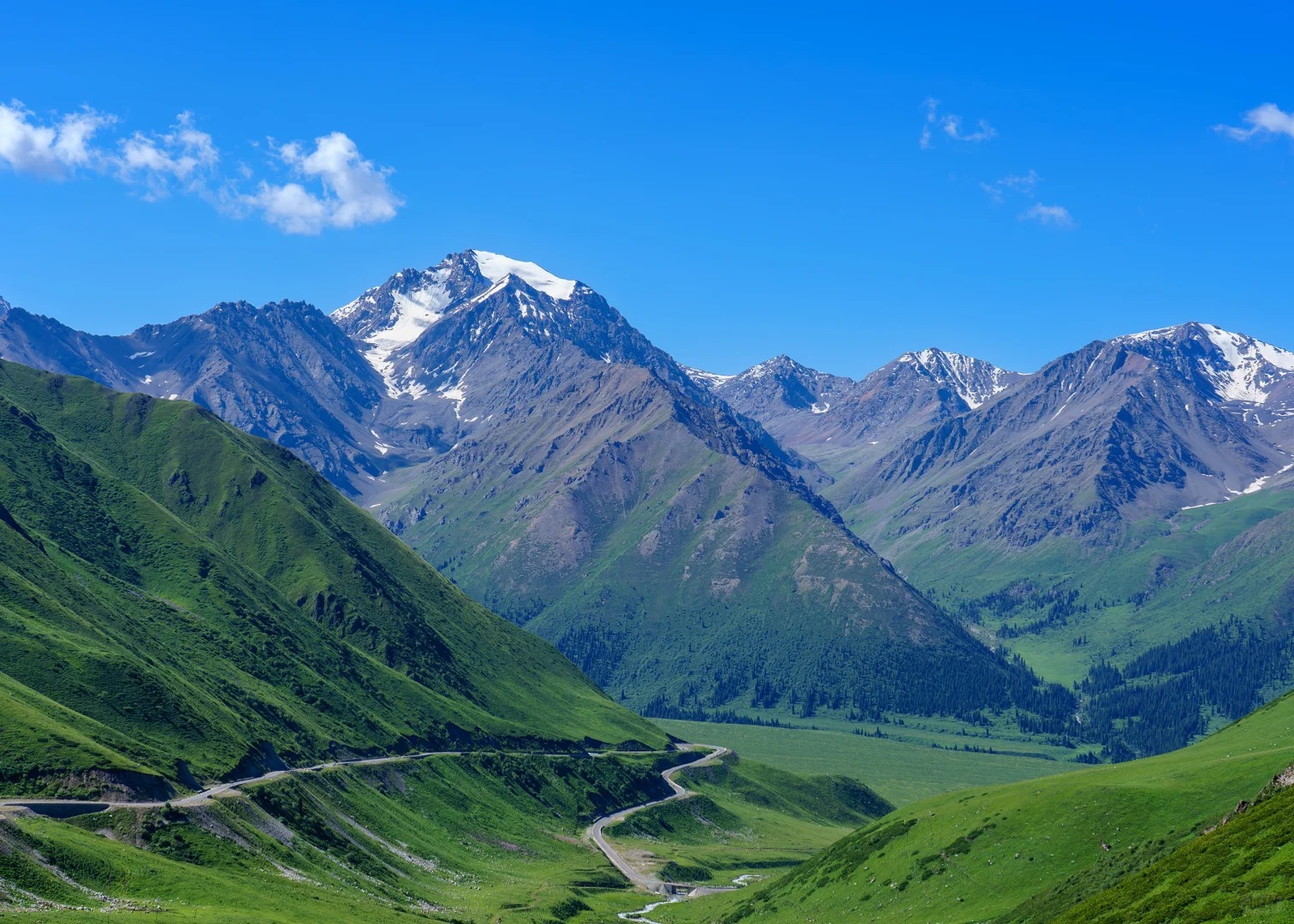
The Duku Highway is one of Xinjiang’s best-known scenic roads, connecting Northern and Southern Xinjiang.
Along the route, travelers can see snow-capped mountains, valleys, grasslands, and other landscapes.
Because some sections are at high elevations and can be affected by snow and winter weather, the opening date is not exactly the same every year.
In 2026, the Duku Highway opened to traffic on June 1.
The exact opening date in future years will depend on snow conditions, weather, road maintenance, and safety conditions.
If you plan to drive the Duku Highway, check the latest traffic information released by the Xinjiang transportation authorities and local authorities before departure.
Some sections have many curves and high elevations, so drive carefully and avoid fatigue driving.
17. Do Xinjiang scenic areas require shuttle buses?
Transportation arrangements vary from one scenic area to another.
Some popular scenic areas use shuttle buses, sightseeing vehicles, or internal transportation for environmental protection and traffic management.
However, not every scenic area requires visitors to leave their vehicles at the entrance and transfer to a shuttle bus.
For example, Nalati Scenic Area introduced online reservations for self-driving visits in 2026. Eligible visitors can reserve self-driving tickets according to the scenic area’s requirements.
Before visiting Kanas, Nalati, Sayram Lake, or other scenic areas, check the latest rules regarding self-driving, shuttle buses, and tickets for each destination.
Do not assume that all scenic areas use the same transportation system.
18. Can you plan a very tight Xinjiang itinerary?
Xinjiang’s attractions are often far apart, and long driving days are common on many itineraries.
For this reason, it is generally better not to schedule too many attractions each day.
If a day includes a long drive, leave enough time for rest and unexpected changes caused by weather, traffic, or road conditions.
If you have limited time, consider exploring one region in greater depth rather than trying to cover the whole of Xinjiang in one trip.
Xinjiang is enormous, and different regions offer different experiences in different seasons. You can always return for another trip.
19. Does Xinjiang have large day-and-night temperature differences?
Some areas of Xinjiang experience noticeable temperature changes between day and night, especially grasslands, mountainous regions, and high-altitude areas in Northern Xinjiang.
Even in summer, mornings and evenings can be cool in some mountain and grassland destinations.
Do not prepare your clothing based only on the daytime high temperature.
Layering is a practical approach. You can add or remove layers according to the actual weather.
If you plan to visit high-altitude mountain areas, bring an additional warm or windproof jacket.
20. What should you wear in Xinjiang during summer?
Layering is recommended for summer travel in Xinjiang.
- Base layer: Choose breathable, moisture-wicking T-shirts or quick-drying clothing for warmer daytime conditions.
- Mid layer: Bring a lightweight fleece, thin down jacket, or other warm layer for mornings, evenings, and mountain areas.
- Outer layer: A windproof jacket or lightweight outdoor shell can help with strong winds, temperature drops, and changing weather conditions in the mountains.
The advantage of layering is that you can adjust your clothing throughout the day without carrying too many heavy items.
21. Is UV exposure strong in Xinjiang?
Some parts of Xinjiang receive strong sunlight, and travelers may spend long periods outdoors in summer.
UV exposure can also be more noticeable at high elevations.
If you spend extended periods outdoors in grasslands, around lakes, in deserts, or in mountainous areas, sun protection becomes particularly important.
Consider bringing:
- Sunscreen
- A hat
- Sunglasses
- Long-sleeved clothing
- A lightweight sun-protection jacket
Even when the temperature does not feel particularly hot, prolonged outdoor exposure still requires sun protection.
22. How can you protect yourself from the sun in Xinjiang?
A combination of sunscreen and physical sun protection works well.
- Sunscreen: Choose a product suitable for your skin type and reapply it according to the product instructions.
- Physical protection: Wide-brimmed hats, sunglasses, long sleeves, and long pants can reduce direct exposure to sunlight.
- Outdoor activity timing: When the weather is hot and sunlight is strong, plan outdoor activities according to the day’s UV index and weather conditions.
When visiting open areas such as Sayram Lake, grasslands, and deserts, pay particular attention to sun protection.
23. Is Xinjiang’s climate dry?
Many areas of Xinjiang have relatively low precipitation and high evaporation, resulting in a generally dry climate. However, conditions vary significantly between regions and seasons.
Visitors who are not accustomed to the climate may experience dry lips, dry skin, or nasal dryness.
You can prepare in advance:
Hydration:
- Carry a reusable water bottle
- Drink water regularly according to your needs
- Pay particular attention to hydration during long outdoor activities
Moisturizing:
- Bring a facial moisturizer
- Bring body lotion
- Consider carrying lip balm
- If you are prone to nasal dryness, prepare appropriate personal care products
If you experience persistent or significant discomfort, seek medical advice rather than assuming that every symptom is caused by the dry climate.
24. What is the weather like in Xinjiang’s desert areas?
Desert areas of Xinjiang, such as the Taklamakan Desert and Kumtag Desert, generally receive strong sunlight and relatively little precipitation.
Strong winds and dust or sandstorms can also occur, depending on the season and daily weather conditions.
When visiting desert areas, consider bringing:
- A scarf or head covering
- Sunglasses
- Sun-protection products
- A lightweight jacket
- Enough drinking water
If strong winds or dusty conditions occur, adjust your outdoor activities according to the actual weather.
After returning to your hotel, you can also clean your face and the area around your eyes to stay comfortable.
25. Do you need to adjust your schedule when traveling in Xinjiang?
Xinjiang, like other parts of China, officially uses Beijing Time.
Because Xinjiang is located in western China, sunrise and sunset occur relatively late according to Beijing Time.
Some local residents informally use what is commonly called “Xinjiang Time,” which is usually about two hours behind Beijing Time. However, this is not an officially recognized separate time zone in China.
In summer, sunset occurs particularly late in some parts of Xinjiang, so it may still be bright quite late in the evening.
When planning meals, sightseeing, and rest, consider the actual local daylight hours.
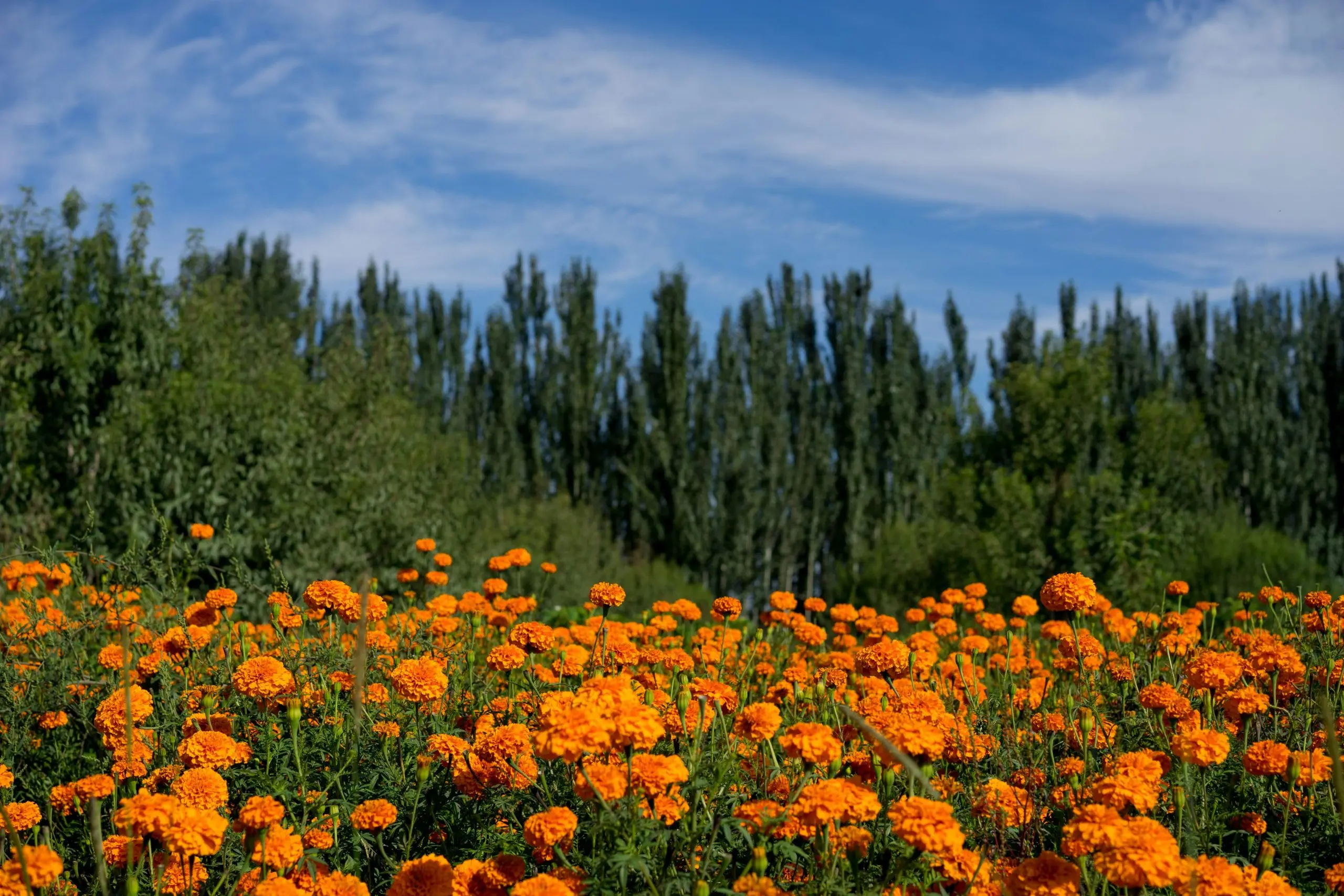
26. Can you experience altitude sickness in Xinjiang?
Xinjiang as a whole is not a high-altitude region, but some destinations are located at considerable elevations.
The Pamir Plateau, Taxkorgan, and some high-altitude sections of the Duku Highway can reach elevations above 3,000 meters.
Some travelers may experience headaches, dizziness, shortness of breath, fatigue, or other symptoms after entering high-altitude areas.
When traveling to higher elevations:
- Avoid strenuous exercise immediately after arrival
- Get enough rest
- Adjust your activity level according to how you feel
- Avoid excessive alcohol consumption
- Pay attention to weather and changes in your physical condition
If you experience significant, persistent, or worsening symptoms, seek medical assistance promptly and, if advised by a medical professional, move to a lower elevation.
27. What kind of food is common in Xinjiang?
Xinjiang has a diverse culinary culture influenced by its many ethnic groups and regions.
Beef, lamb, and wheat-based foods are common.
Some well-known Xinjiang dishes and foods include:
- Big Plate Chicken
- Pilaf
- Lamb Skewers
- Baked Buns
- Nang Flatbread
- Laghman Noodles
- Nang-Pit Roasted Meat
Food styles also vary between different parts of Xinjiang.
If you normally eat relatively light meals, start with dishes and portions that suit your personal preferences.
28. What should you know about dining in Xinjiang?
When traveling in Xinjiang, choose restaurants that appear clean, well managed, and reputable.
Some Xinjiang dishes are served in relatively large portions, so first-time visitors may want to order according to the number of people in their group.
If you have food allergies, follow a vegetarian diet, require halal food, or have other dietary restrictions, inform the restaurant in advance.
During long journeys, it is also useful to carry some simple snacks and drinking water.
29. What local dining customs should travelers know?
Xinjiang is home to many ethnic groups, and different communities have their own dietary customs.
Travelers should respect local cultural and dining practices.
Keep the following in mind:
- Follow the rules of halal restaurants
- Do not bring or consume foods that the restaurant explicitly prohibits
- Respect local dietary customs
- Inform restaurants in advance about special dietary requirements
- Be respectful of unfamiliar dining traditions
If you are unsure whether a particular food or dining practice is appropriate, politely ask the restaurant staff.
30. Are there any food combinations to avoid in Xinjiang?
Xinjiang cuisine includes many dishes based on beef, lamb, noodles, and grilled foods.
If you have a sensitive stomach, avoid eating excessively large portions at once and avoid suddenly consuming large amounts of oily or spicy food.
Cold drinks and chilled fruit can also be consumed in moderation according to your own digestive tolerance.
There is no need to rigidly follow claims such as “hot and cold foods must be separated by 30 minutes.”
If you have a digestive condition or are taking medication, follow your doctor’s advice or the instructions provided with your medication.
You can also bring commonly used personal medication when appropriate.
31. Can you eat a lot of Xinjiang fruit?
Xinjiang is famous for its wide variety of fruit, including grapes, Hami melons, and Korla fragrant pears.
Some parts of Xinjiang receive long hours of sunshine, and different fruits vary in sweetness, texture, and harvest season.
Fruit is convenient during travel, but it is still better not to eat excessive amounts at one time.
People with sensitive digestion, older adults, and children should eat according to their individual needs.
If you need to control your sugar intake, pay attention to the amount of fruit you consume.

32. How much does food cost in Xinjiang?
Food prices can vary significantly between cities, restaurants, and scenic areas.
In general, prices at ordinary restaurants in cities depend on the type of restaurant, dishes, and location. Restaurants inside popular tourist attractions may have different prices from those in urban areas.
Rather than relying on fixed price estimates, check the menu and pricing before ordering.
If you want to control your budget, you can buy water, nang bread, fruit, and snacks from reputable supermarkets or convenience stores when appropriate.
Keep in mind that some scenic areas have their own rules regarding outside food, so always follow the specific requirements of the destination.
33. Where should you buy Xinjiang specialties?
Xinjiang has many local products worth buying, including:
- Raisins
- Almonds
- Walnuts
- Jujube
- Goji berries
- Lavender-related products
- Hetian jade and other jade products
For ordinary food products and souvenirs, consider reputable markets, shopping centers, supermarkets, or merchants with clear business credentials.
For example, the International Grand Bazaar in Urumqi, some local markets in Kashgar, and reputable supermarkets can all be shopping options.
When buying high-value products such as jade, compare prices, quality, and certification information carefully, and keep your receipts.
Do not make an expensive purchase simply because a seller claims that a product is “absolutely authentic” or “guaranteed not to be fake.”
If you buy a large amount of local products, you can ask whether the seller provides legitimate shipping services.
34. Can you freely enter border areas in Xinjiang?
Some border areas of Xinjiang are subject to specific management regulations.
For example, travel to certain border management areas, Taxkorgan, and other designated locations may involve a Border Management Area Pass or other requirements.
If your itinerary includes a border area, check in advance:
- Whether a Border Management Area Pass is required
- Whether advance reservations are required
- Whether there are restrictions on scenic-area access
- Whether temporary traffic controls are in effect
- Whether there are special photography restrictions
After entering a regulated area, follow the instructions of local staff, scenic-area management, and relevant authorities.
35. Is it safe to go out at night in Xinjiang?
In normally open tourist areas, travelers can arrange evening activities according to local conditions.
Some commercial districts, night markets, and dining areas in cities such as Urumqi and Kashgar remain active in the evening.
However, basic safety precautions are still recommended:
- Choose well-lit areas with more people whenever possible
- Avoid entering isolated areas alone
- Do not enter closed or restricted areas
- Do not enter deep desert areas or remote grasslands at night where lighting and communication may be limited
- Keep your phone, wallet, and identification secure
Do not assume that an area is equally suitable for nighttime travel simply because it is busy during the day.
36. How can you stay safe while traveling in Xinjiang?
Keep important belongings such as your passport, identity card, cash, bank cards, and phone secure.
Pay particular attention to personal belongings in crowded scenic areas, railway stations, night markets, and shopping centers.
For hiking, horseback riding, desert activities, mountain activities, and other outdoor experiences, follow the safety instructions provided by staff.
Do not enter dangerous locations for photos and do not leave designated routes without permission.
If you are unsure about something, ask scenic-area staff, hotel reception, or other local service personnel for assistance.
37. What behavior should travelers avoid in Xinjiang?
During your trip, follow basic public etiquette and respect local ethnic, religious, and cultural practices.
Basic etiquette:
- Do not litter
- Do not enter restricted areas
- Do not take photos where photography is prohibited
- Do not photograph people without consideration
- Follow scenic-area regulations
- Protect the natural environment
Cultural respect:
- Follow local rules when entering religious sites
- Pay attention to appropriate clothing and behavior
- Respect local religious and cultural practices
- Avoid inappropriate comments about local ethnic groups, religions, or cultures
If you are unsure whether a particular behavior is appropriate, politely ask local staff.
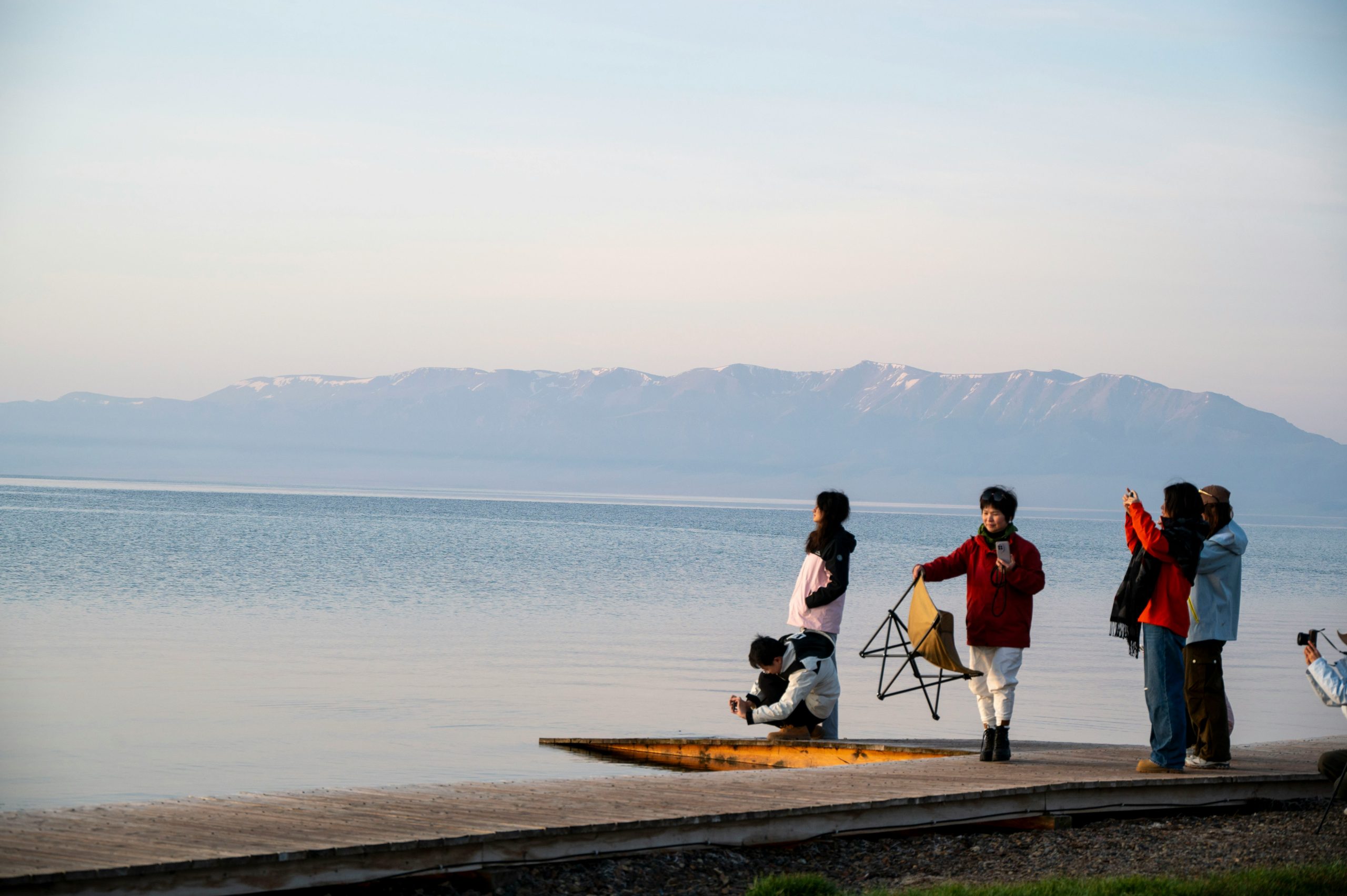
38. What should you know about photography in Xinjiang?
Xinjiang offers diverse landscapes and is an excellent destination for photography and travel memories.
However, travelers should always follow local photography regulations.
Inside scenic areas, follow signs and staff instructions.
Extra caution is required around airports, border areas, military facilities, and other controlled locations.
If you see clear signs such as “No Photography,” follow the restriction.
When taking outdoor photographs, pay attention to your own safety. Do not stand on cliff edges, in the middle of roads, or in other dangerous locations simply to get a photo.
39. Can you camp anywhere in Xinjiang?
Some scenic areas, grasslands, nature reserves, and environmentally sensitive areas in Xinjiang have specific regulations regarding camping locations.
Do not assume that you can camp simply because you find an open piece of land.
If you plan to camp, check in advance whether camping is permitted and whether reservations are required.
Whenever possible, use designated camping areas or established campsites, which generally offer better sanitation, water, and safety facilities.
While camping, protect the environment:
- Do not litter
- Do not damage vegetation
- Do not enter restricted areas
- Do not make fires where fires are prohibited
- Take all your rubbish with you when you leave
Camping regulations at destinations such as Kanas, Sayram Lake, and Nalati may vary depending on the specific area and local management requirements.
Check the latest regulations for the individual scenic area before departure rather than assuming that camping is either allowed or prohibited throughout the entire destination.
40. What should you do if you encounter a problem while traveling in Xinjiang?
If you encounter a problem during your trip, seek help through the appropriate channel.
For problems such as getting lost, feeling unwell, or losing belongings inside a scenic area, you can contact:
- Scenic-area staff
- Visitor centers
- Scenic-area service hotlines
- Hotel staff
- Travel agency staff
In an emergency, you can call 110 for the police or follow the instructions of staff at the location.
If you are traveling with a private driver or small group, contact your travel agency, driver, or tour service staff as soon as possible.
For consumer-related issues, you can call 12315. For government services and other public-service matters, you can call the 12345 government service hotline.
Before your trip, save the contact information for your hotel, scenic areas, travel agency, and emergency assistance channels.
41. Should you pay attention to local customs in Xinjiang?
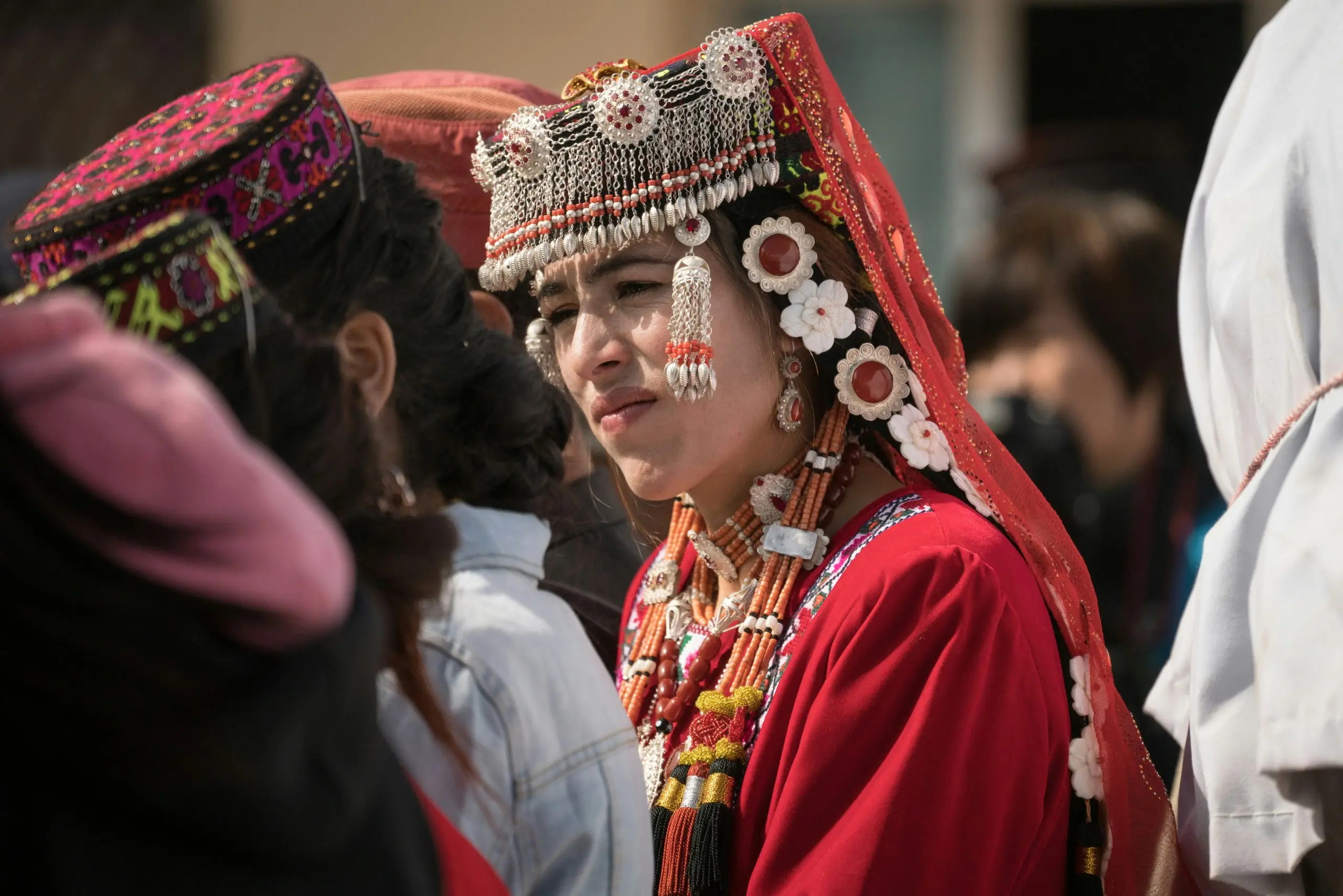
Xinjiang is home to many ethnic groups and has a rich cultural and regional heritage.
As a visitor, respecting local religious, cultural, and everyday customs is an important part of traveling responsibly.
We recommend:
- Learn a little about the local culture before your trip
- Remain open-minded and respectful during your journey
- Avoid making inappropriate comments about local religions, ethnic groups, or cultures
- Whenever possible, ask for permission before photographing people
- Follow local rules when entering religious sites
- If you are unsure about something, politely ask local staff
Respecting local culture is not only a basic courtesy; it can also make your travel experience more natural and enjoyable.
Frequently Asked Questions About Traveling to Xinjiang
Q1: Is Xinjiang safe for tourists? Is it suitable for first-time visitors?
Xinjiang has a number of established tourist destinations, including Urumqi, Kashgar, Ili, and Altay, as well as established travel routes and tourism services.
First-time visitors can consider routes with relatively developed transportation, accommodation, and scenic-area services, while checking the latest opening conditions and travel requirements before departure.
Wherever you travel, follow local regulations and maintain basic safety awareness.
For a first trip to Xinjiang, you can choose between Northern and Southern Xinjiang depending on your interests.
Northern Xinjiang: Urumqi, Kanas, Sayram Lake, Ili, and more.
Southern Xinjiang: Kashgar, Taxkorgan, Hotan, and more.
Q2: How many days should you spend in Xinjiang on your first trip?
For a first trip, you can consider an itinerary of around 7–12 days depending on your available time.
Xinjiang is huge, and transportation between regions can take considerable time, so it is better not to schedule too many destinations into a short trip.
As a general reference:
7 days: Focus on one main region, such as Northern or Southern Xinjiang.
10 days: Explore one main region and add several nearby destinations.
12 days or more: Consider a more comprehensive regional itinerary, while still allowing enough time for transportation.
If you have limited time, it is often more practical to explore one region in greater depth rather than trying to visit too many places.
Q3: Should you travel independently or join a tour in Xinjiang?
This mainly depends on your travel experience, budget, available time, and personal preferences.
If you enjoy planning your own routes, are comfortable with long drives, and have extensive independent-travel experience, you may consider independent travel or self-driving.
If this is your first trip to Xinjiang, or if you are traveling with family members, older adults, or children, private transportation or a small-group tour can reduce the pressure of transportation connections and itinerary planning.
If you choose a private vehicle or small-group tour, confirm the following in advance:
- Vehicle type
- Itinerary details
- Accommodation standards
- Whether entrance tickets are included
- Whether driver services are included
- Whether there are additional charges
Choosing a reputable travel service provider can make the itinerary and included services clearer.
Q4: What is the difference between Northern and Southern Xinjiang?
Both Northern and Southern Xinjiang offer rich natural and cultural experiences.
In simple terms:
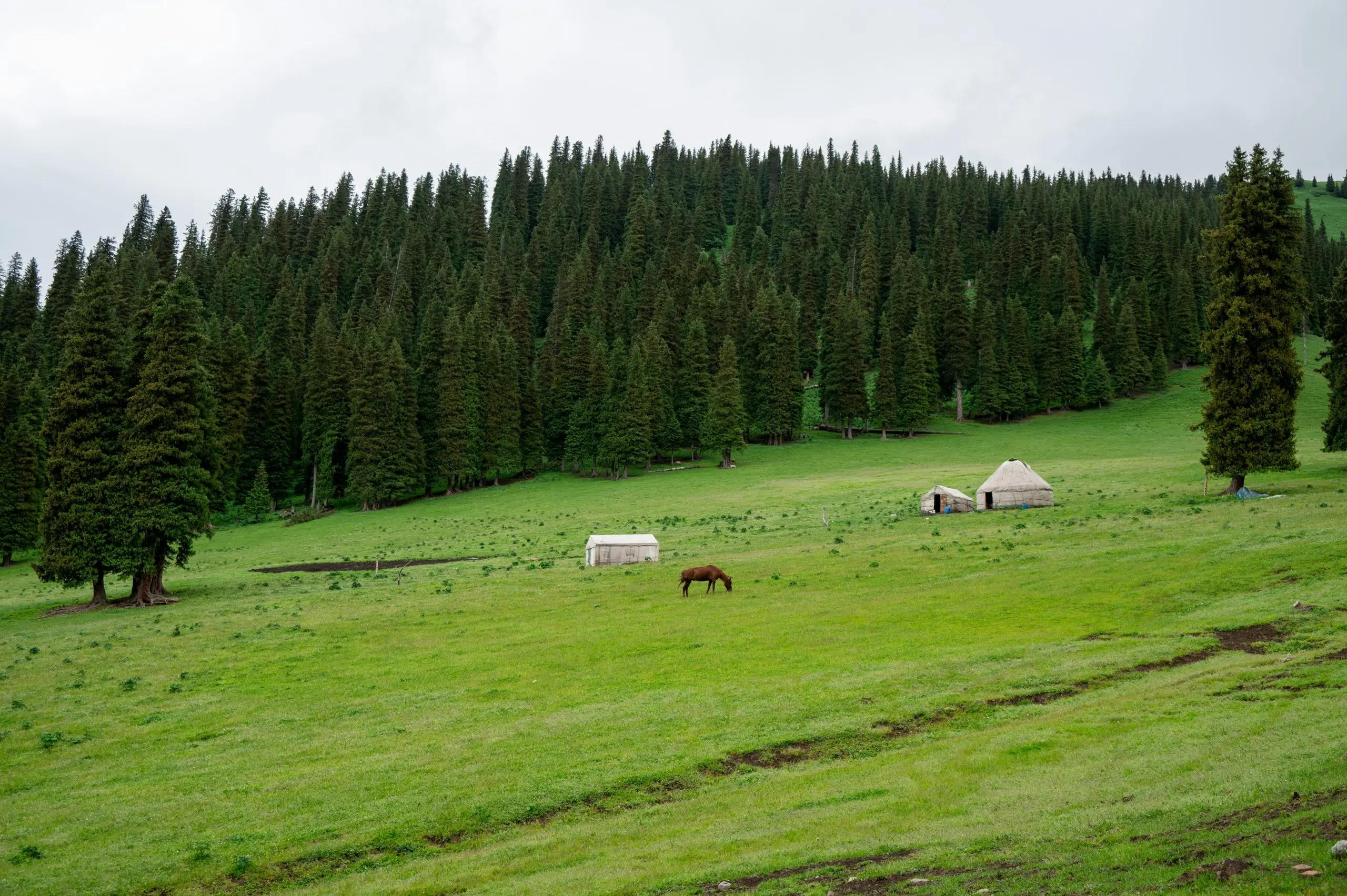
Northern Xinjiang: Known for grasslands, lakes, forests, snow-capped mountains, and other natural landscapes. Destinations such as Kanas, Sayram Lake, and Nalati are popular with travelers interested in scenery and outdoor photography.
Southern Xinjiang: Offers destinations such as the old city of Kashgar, the Pamir Plateau, and Hotan, combining natural scenery with history, architecture, food, and cultural experiences.
If you are mainly interested in natural scenery, you may consider routes in Northern Xinjiang.
If you are interested in history, culture, ethnic traditions, and the Pamir Plateau, Southern Xinjiang may be worth considering.
If you have enough time, you can also experience Northern and Southern Xinjiang on separate trips in different seasons.
Q5: What are some common problems travelers should watch out for in Xinjiang?
Xinjiang itineraries can involve long distances and considerable travel time. Understanding common issues in advance can help reduce inconvenience.
Pay particular attention to:
- Shopping in scenic areas: When buying jade, local specialties, or other products, choose reputable merchants and keep your receipts.
- Very low-priced tour packages: Before booking a low-cost tour, check the itinerary, shopping arrangements, and additional charges.
- Speeding while driving: Some roads in Xinjiang use section speed monitoring. Always follow posted speed limits.
- Overpacked itineraries: Attractions are often far apart, so avoid scheduling too many destinations in one day.
- Insufficient sun protection: Take appropriate precautions during long outdoor activities.
- Insufficient travel documents: If visiting certain border management areas, check in advance whether additional permits are required.
- Not checking scenic-area rules: Activities such as self-driving, drone flights, and camping may be subject to local or scenic-area regulations. Check the latest requirements before departure.
Conclusion: Important Things to Know Before Traveling to Xinjiang
Xinjiang is vast, and different regions offer very different travel experiences depending on the season.
Understanding your required documents, transportation options, weather conditions, scenic-area regulations, and local cultural practices before departure can make your trip smoother.
Here is a quick summary of the most important points:
- Main travel season: May to October is one of the more popular travel periods in Xinjiang, although the best time varies by region. Parts of Northern Xinjiang usually have particularly rich grassland and lake scenery from June to August.
- Essential documents: Mainland Chinese travelers should carry their identity cards. Travelers from Hong Kong, Macao, Taiwan, and overseas visitors should prepare the appropriate valid travel documents. A Border Management Area Pass may be required for certain border areas.
- Getting around: Attractions in Xinjiang can be far apart, and public transportation differs significantly between cities and remote scenic areas. First-time visitors can choose private transportation, small-group tours, self-driving, or independent travel according to their needs.
- Climate: Some areas of Xinjiang have noticeable day-and-night temperature differences. Summer sunlight can be strong, and many regions are relatively dry. Prepare for sun protection, hydration, moisturizing, and changing temperatures.
- What to pack: Consider bringing sunscreen, a hat, sunglasses, a lightweight jacket, comfortable shoes, moisturizing products, and any personal medication you normally use.
- Food and culture: Xinjiang has a rich and diverse culinary and cultural heritage. Respecting local dining customs and cultural regulations can help make your trip smoother.
- Safety: Follow local regulations and do not enter border management areas, closed areas, or other restricted locations without authorization. Photography, drone flights, and camping may also be subject to specific regulations and should be checked in advance.
Xinjiang is a destination that can be experienced more than once. Different regions and seasons offer very different travel experiences. Instead of trying to visit too many places in one trip, consider choosing one region and exploring it at a comfortable pace.
Preparing in advance can reduce unnecessary inconvenience, but there is no need to overcomplicate your trip. Major tourist cities and popular routes in Xinjiang generally have established tourism services, although transportation and service conditions can vary in remote areas. Good planning is therefore still important.
If you are planning a Xinjiang trip but are not sure how to arrange your route, or are considering private transportation, a small-group tour, self-driving, or independent travel, choose a travel style based on your travel dates, group size, and budget.
With good preparation, you can enjoy Xinjiang’s natural scenery, cultural attractions, and local cuisine with greater ease.
If you are still unsure how to plan your trip to Xinjiang, please feel free to contact us; we are happy to provide you with professional itinerary planning and bespoke travel services for Xinjiang.
Why Choose Us (10,000+ reviews & 98.8% 5-star rating)
Save Your Time:
▪ Less research, more enjoyment!
▪ Real-time 1V1 expert planning
Maximize Your Flexibility:
▪ Personal local guide and ride
▪ Explore at your own pace
Live Your China Story:
▪ Authentic local culture and lifestyles
▪ Understand the culture by living it
【Top Picks】
Top-Rated Travel Planner
10 years of experience planning travel itineraries!
We’ll save you the hassle and help you save money!

WhatsApp number: +852 44412943
A Global Network of Trust and Recognition

Our Promise
A 4-on-1 Team Dedicated to You.
YOUR
PERSONAL TRAVEL DESIGNER
“
We’re Travelers First, Planners Second.”

Deeply rooted in Asia for authentic advice. Passionate about crafting your unique story.
YOUR
LOCAL
STORYTELLER
“
We share the stories you won’t find in a guidebook”

Connecting you with the top 20% of local storytellers. Your personal photographer for cherished moments.
YOUR
PRIVATE DRIVER
& CAR
“
20% more space, 100% on your schedule.”

A seamless journey that moves at your own pace. Your private, comfortable space on the road.
YOUR
24/7
TRAVEL SUPPORT
“
Any Problem, Anytime, Anywhere.”

Your safety and peace of mind are our priority. Instant responses, so you’re never left waiting.