

Qinghai-Gansu Grand Loop in Winter: Oct–Mar Attractions & Routes
When people talk about the Qinghai–Gansu Grand Loop, also known as the Northwest Grand Loop or Gansu–Qinghai Grand Loop, most travelers immediately think of summer.
The rapeseed flowers around Qinghai Lake, the reflections at Chaka Salt Lake, the grasslands of the Qilian Mountains, deep blue skies, and the crowds of tourists and self-driving vehicles all form the classic image of the Qinghai–Gansu Grand Loop.
But if you travel from November to March, you will experience a completely different side of Northwest China.
The rapeseed flowers are gone, and the grasslands are no longer green. Instead, you will find snow-capped mountains, frozen lakes, snow-covered Danxia landscapes, vast Gobi deserts, and quiet desert scenery. Tourist numbers also drop significantly, allowing many places to regain a rare sense of tranquility.
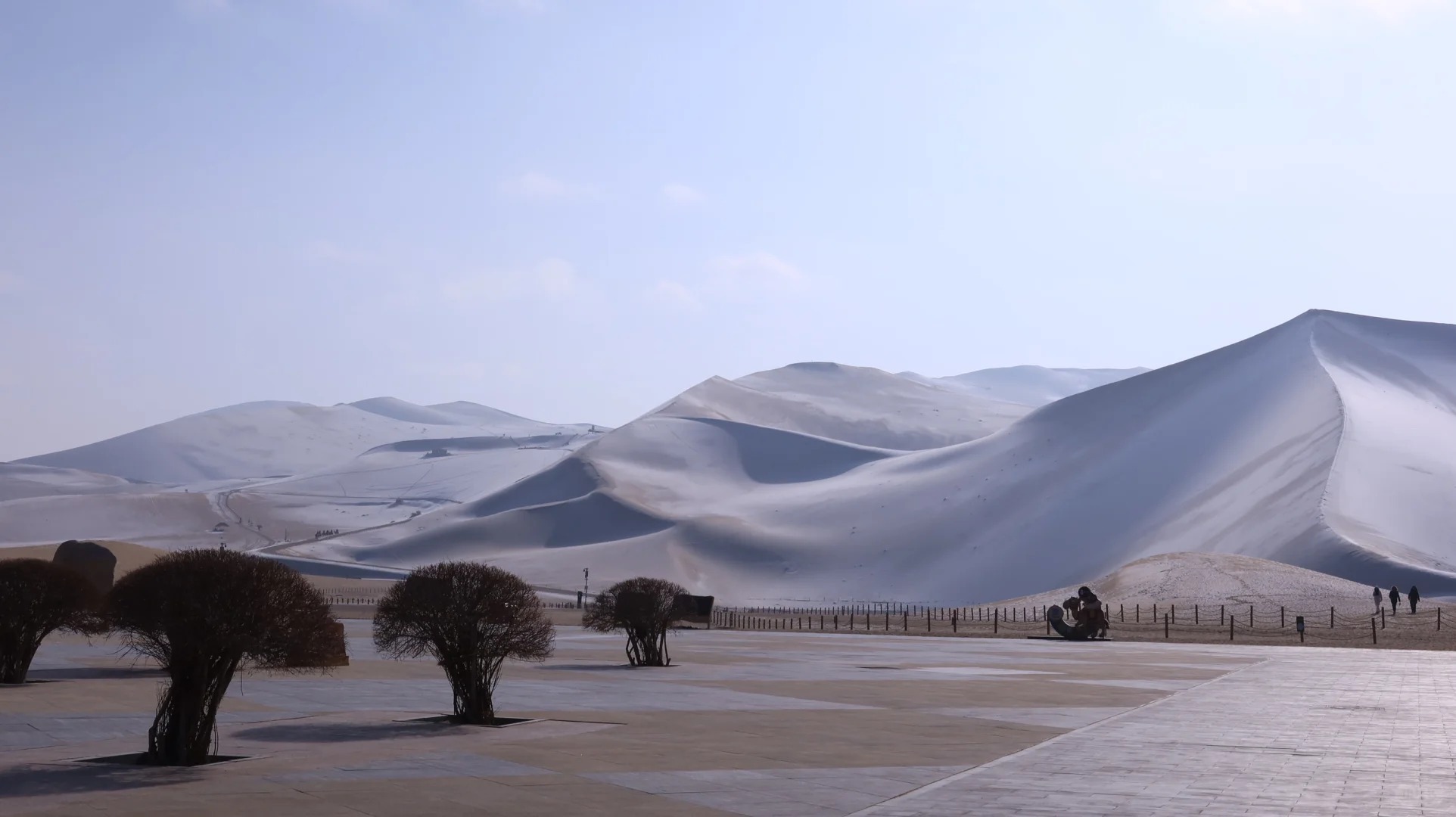
So, is the Qinghai–Gansu Grand Loop still worth visiting in winter? Yes, but it is not simply the summer itinerary moved to another season.
Winter travel requires you to reconsider the attractions and adjust the itinerary. It is also more suitable for a private car tour or customized trip rather than simply following a fixed summer group-tour itinerary.
If you enjoy snowy landscapes, vast and rugged scenery, and want to avoid the crowds of the summer peak season, the Qinghai–Gansu region from October to March may offer a completely different travel experience.
1. Can You Travel the Qinghai–Gansu Grand Loop in Winter?
Yes. The Qinghai–Gansu Grand Loop does not completely stop operating in winter. Most major cities, main transportation routes, and famous attractions in Qinghai and Gansu remain accessible to travelers.
The key point is that winter travel conditions are very different from those in summer.
In summer, one of the biggest advantages of the Qinghai–Gansu Grand Loop is relatively stable weather, longer daylight hours, more consistent attraction opening schedules, and a large number of travel agencies offering fixed group and shared-tour itineraries.
In winter, tourist numbers decrease, some attractions and accommodation facilities operate on a low-season schedule, and some high-altitude sections may be affected by snowfall, icy roads, and changing weather conditions.
Therefore, the most important question for a winter Qinghai–Gansu trip is not “Can I go?”, but rather:“How should I plan the route?”
If you simply copy the classic July or August itinerary and use it in December, the experience may not be ideal.
A more flexible route that takes into account weather, road conditions, and attraction opening schedules is often a better approach for winter travel.
2. Why Is the Qinghai–Gansu Grand Loop Still Worth Visiting in Winter?
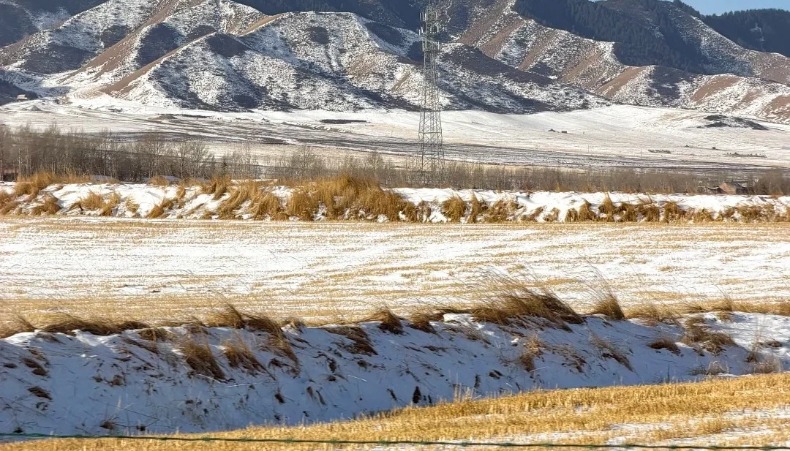
The biggest change in winter is not that the scenery disappears, but that the scenery takes on a completely different character.
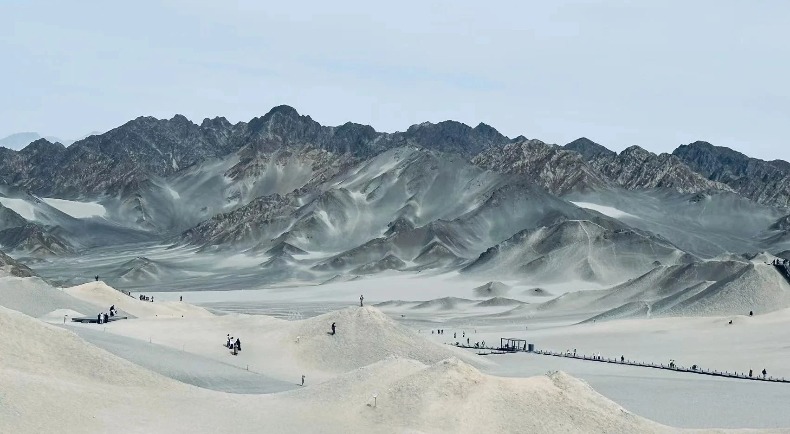
① Snow-Capped Mountains and Winter Landscapes Make the Northwest Feel Even More Vast
Summer in Qinghai and Gansu is mainly about blue skies, lakes, grasslands, and flower fields.
Winter brings more:
- Snow-capped mountains
- Frozen lakes
- Snow-covered landscapes
- Gobi
- Deserts
- Snow-covered Danxia landscapes
The combination of large areas of snow and the rugged Gobi landscape makes Northwest China feel even more expansive.
If you enjoy photography, winter can offer images that look completely different from those taken in summer.
② Far Fewer Tourists
This is one of the most practical advantages of traveling around Qinghai and Gansu in winter.
Summer is the busiest travel season for the Qinghai–Gansu Grand Loop. Popular attractions such as Qinghai Lake, Chaka Salt Lake, Emerald Lake, and Mingsha Mountain can become very crowded.
In winter, visitor numbers drop significantly.
Some attractions may feel like this:The scenery is still there, but the crowds are gone.
For travelers who dislike queues or do not enjoy taking photos surrounded by crowds, this quieter experience can be particularly appealing.
③ Winter Is More Suitable for Private Travel
During summer, there are many shared group and shared-car tour products, allowing travelers to choose relatively affordable fixed itineraries.
As tourist numbers decrease in winter, traditional group tours become less common, while private car tours and customized trips can become a more suitable option.
The biggest advantage of a private trip is flexibility.
If the weather is particularly good one day, you can spend more time at an attraction or add another stop. If snowfall or icy roads affect the route, the itinerary can be adjusted without having to wait for a large group.
For winter travel around Qinghai and Gansu, this flexibility is especially important.
3. What Are the Differences Between October, November, December, January, February, and March?
Although November to March is generally considered the winter travel season, weather conditions and landscapes can vary considerably from month to month.
October and November: Late Autumn to Early Winter
October and November are the transition period between autumn and winter.
Compared with December to February, temperatures are usually not as low. Some areas may still retain autumn colors, while snowfall may already occur at higher elevations.
One advantage of traveling during this period is that the winter atmosphere has begun to appear, but the region has not yet entered its coldest period.
If you do not specifically want deep-winter snow and ice but would like to avoid the summer crowds, October and November are worth considering.
However, weather conditions can vary considerably from year to year, so the specific route should still be adjusted according to the weather conditions during your trip.
December: The Beginning of True Winter
From December onward, Qinghai and Gansu begin to clearly enter winter.
Temperatures around Qinghai Lake, Chaka, Dachaidan, and some high-altitude areas drop significantly, while the possibility of snowfall and icy conditions increases.
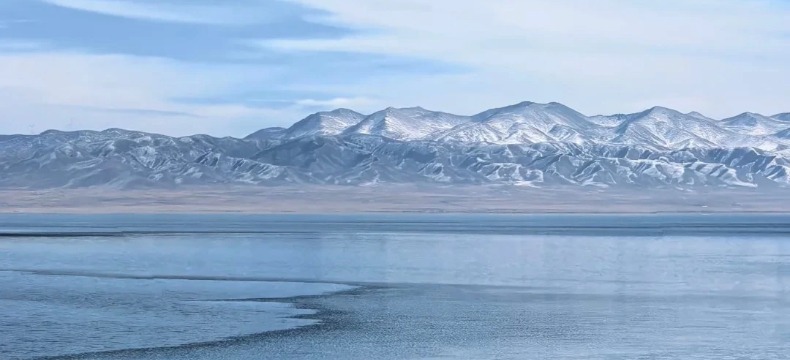
The biggest feature of traveling during this period is that winter scenery itself becomes part of the journey.
Snow-capped mountains, frozen surfaces, Gobi landscapes, and deserts combine to create a completely different view of Northwest China.
If your main purpose is to experience winter in Northwest China, December onward can be a particularly suitable time.
January to February: Deep Winter and Snowy Landscapes
January and February are usually the coldest months of winter.
During this period, you need to pay closer attention to weather conditions, road conditions, and attraction opening schedules.
From a landscape perspective, however, deep winter is also a particularly distinctive time to visit.
If snowfall occurs, snow-covered Danxia landscapes, snow-capped mountains, Gobi landscapes, and frozen lakes can create a strong winter atmosphere.
Keep in mind that it does not snow every day, and not every attraction will have ideal snow conditions at the same time.
Therefore, when planning a winter trip, it is better not to make a specific snowfall the only goal of the entire itinerary. Instead, leave some flexibility in the route.
March: The End of Winter and the Beginning of Seasonal Change
By March, temperatures gradually begin to rise in some areas.
However, Qinghai and Gansu cover a very large area, and climate conditions vary considerably between different regions. High-altitude areas can still be extremely cold.
The biggest feature of March is that:
Winter scenery is still present, but the landscape is gradually transitioning toward spring.
If you want to avoid the coldest part of winter while still experiencing some snow and ice, March can be an option.
4. Which Places Are Worth Visiting in Winter?
Winter does not mean that most attractions are closed. Many classic destinations are still worth visiting, but the landscape changes from summer flower fields and green grasslands to snow, ice, mountains, and the more rugged scenery of Northwest China.
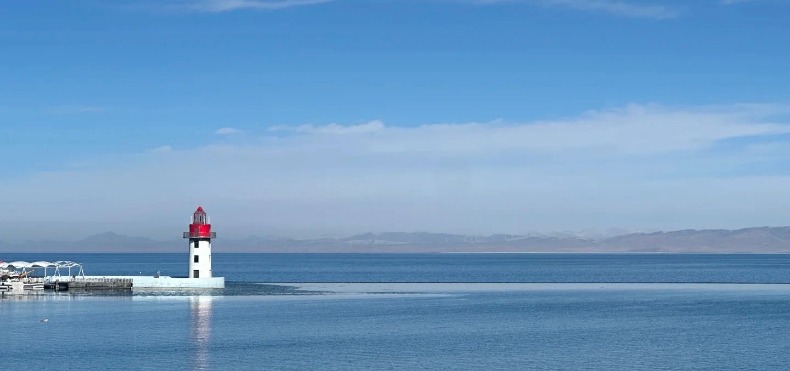
Qinghai Lake
In winter, Qinghai Lake is free from the summer rapeseed flowers and crowds.Some areas may freeze, and under suitable weather conditions, you may see frozen sections of the lake, snow-capped mountains, and vast lakeside landscapes.The exact extent of freezing varies from year to year.
Chaka Salt Lake
Winter Chaka Salt Lake is completely different from the famous summer “Mirror of the Sky.”Some sections of the water may freeze, creating a distinctive winter landscape of salt lake, ice, snow, and distant mountains.Whether you can see ideal frozen surfaces depends on the weather conditions during that particular year.
Emerald Lake
Emerald Lake can still be included in a winter itinerary, although the condition and colors of the lake may be affected by low temperatures.If weather and road conditions are suitable, it is still worth visiting.
Water Yadan
Water Yadan is even quieter and more desolate in winter.When snowfall or freezing conditions occur, the combination of Yadan landforms and snow and ice creates a landscape very different from that of summer.However, this area is relatively remote, so weather and road conditions require particular attention during winter.
Qarhan Salt Lake
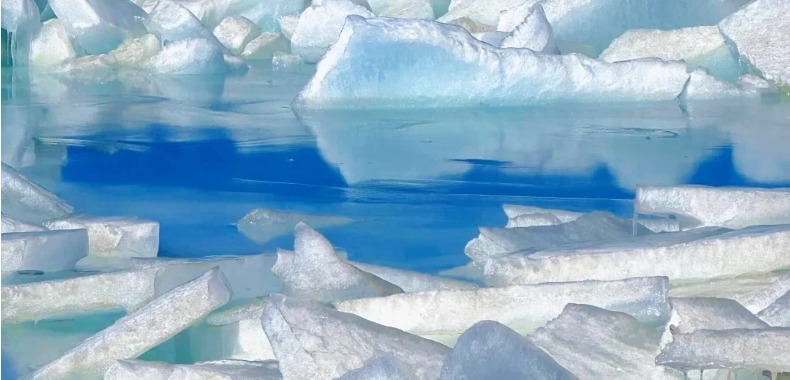
Qarhan Salt Lake remains open in winter, while visitor numbers are relatively low and low-season ticket prices may be available.Because of its high salt concentration, the lake water does not necessarily freeze completely. Thin snow may cover the salt flats, while salt crystals create a sparkling landscape across the vast white salt plain.
The winter landscape can feature striking blue-and-white contrasts across the salt lake and surrounding wilderness.
The condition of the lake surface varies from year to year depending on temperatures. Winter winds can also be strong and cold, so warm clothing and slip-resistant footwear are important.
Dunhuang
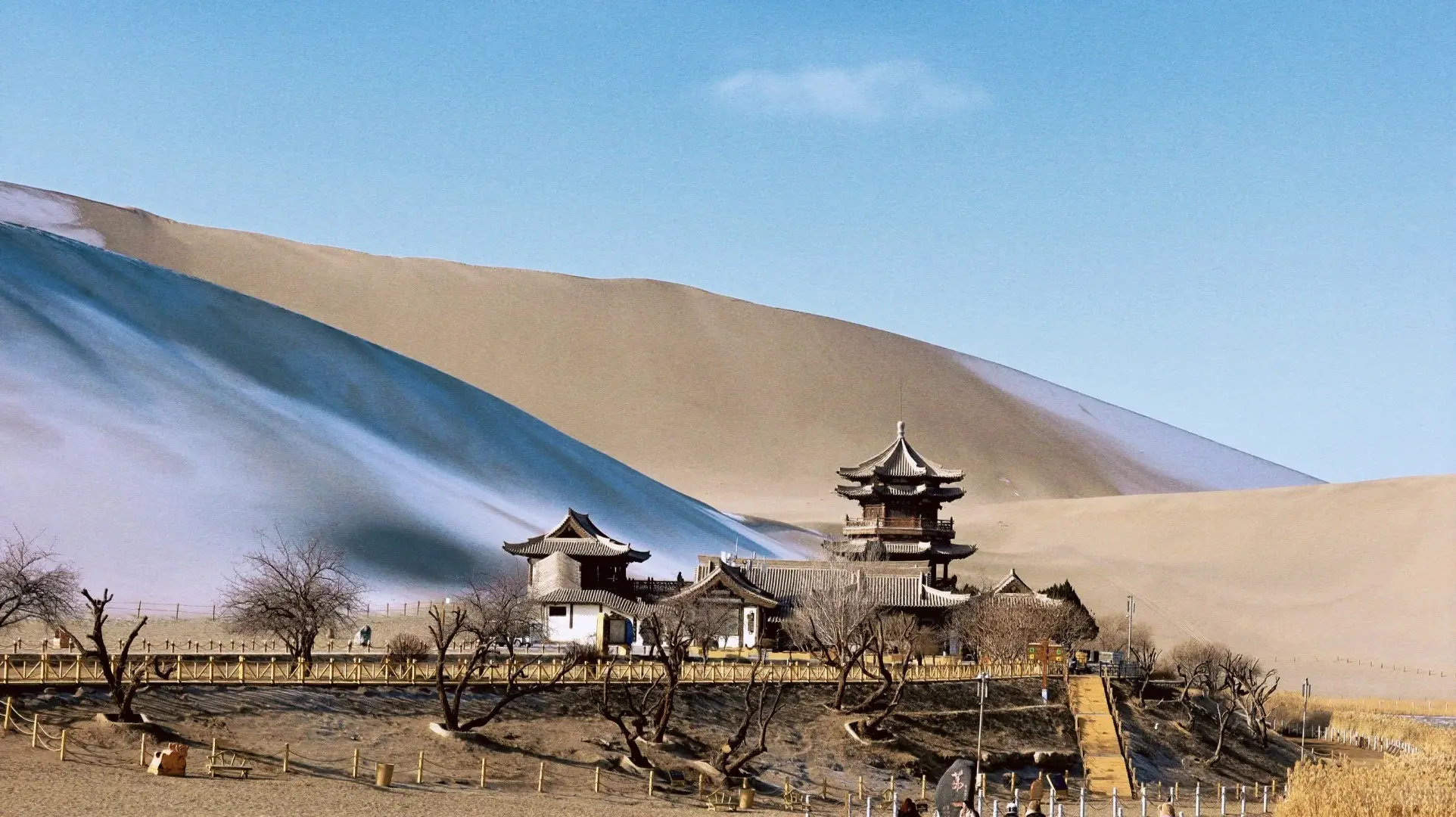
Dunhuang is one of the destinations that is particularly worth keeping on a winter Qinghai–Gansu itinerary.
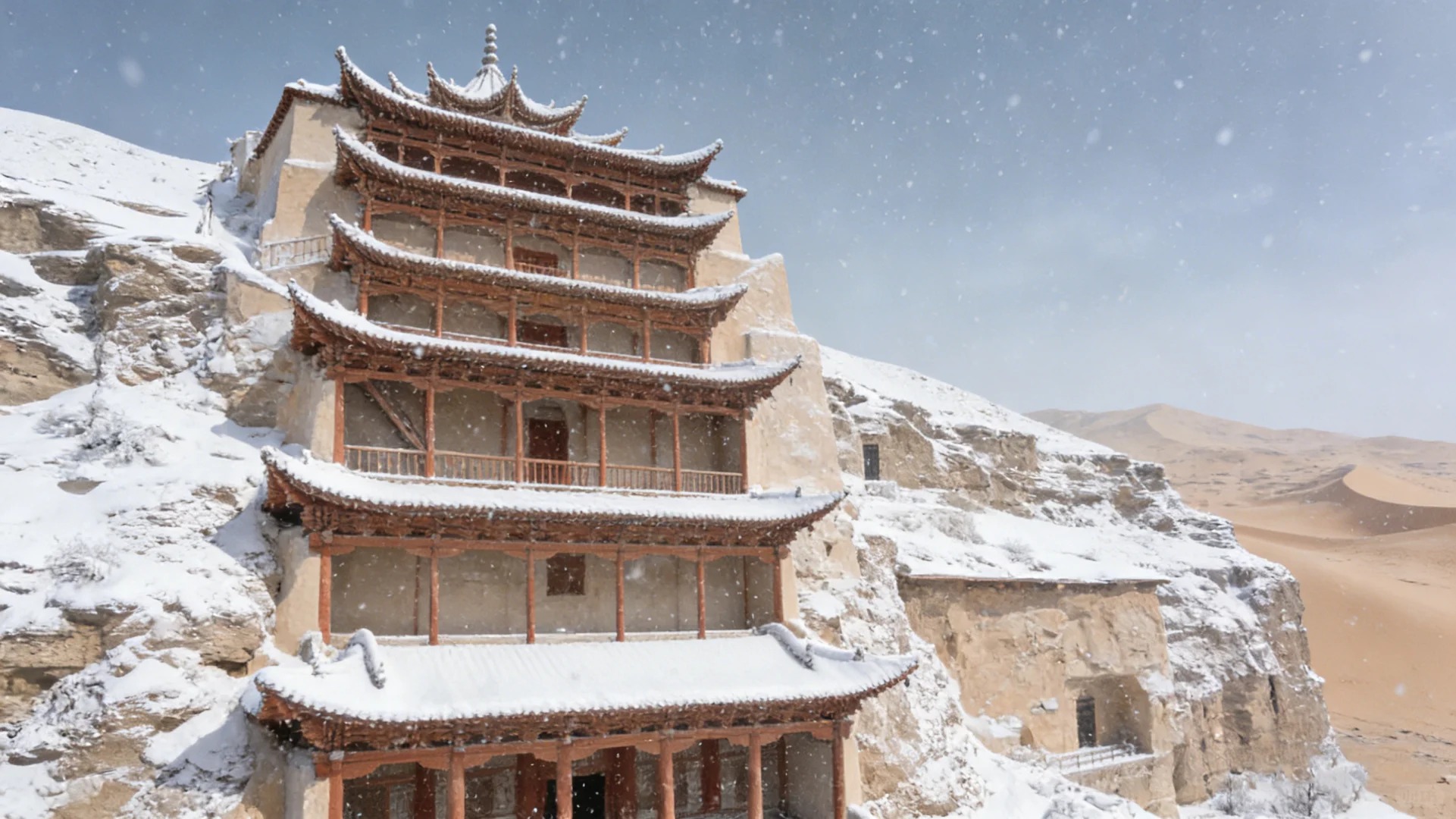
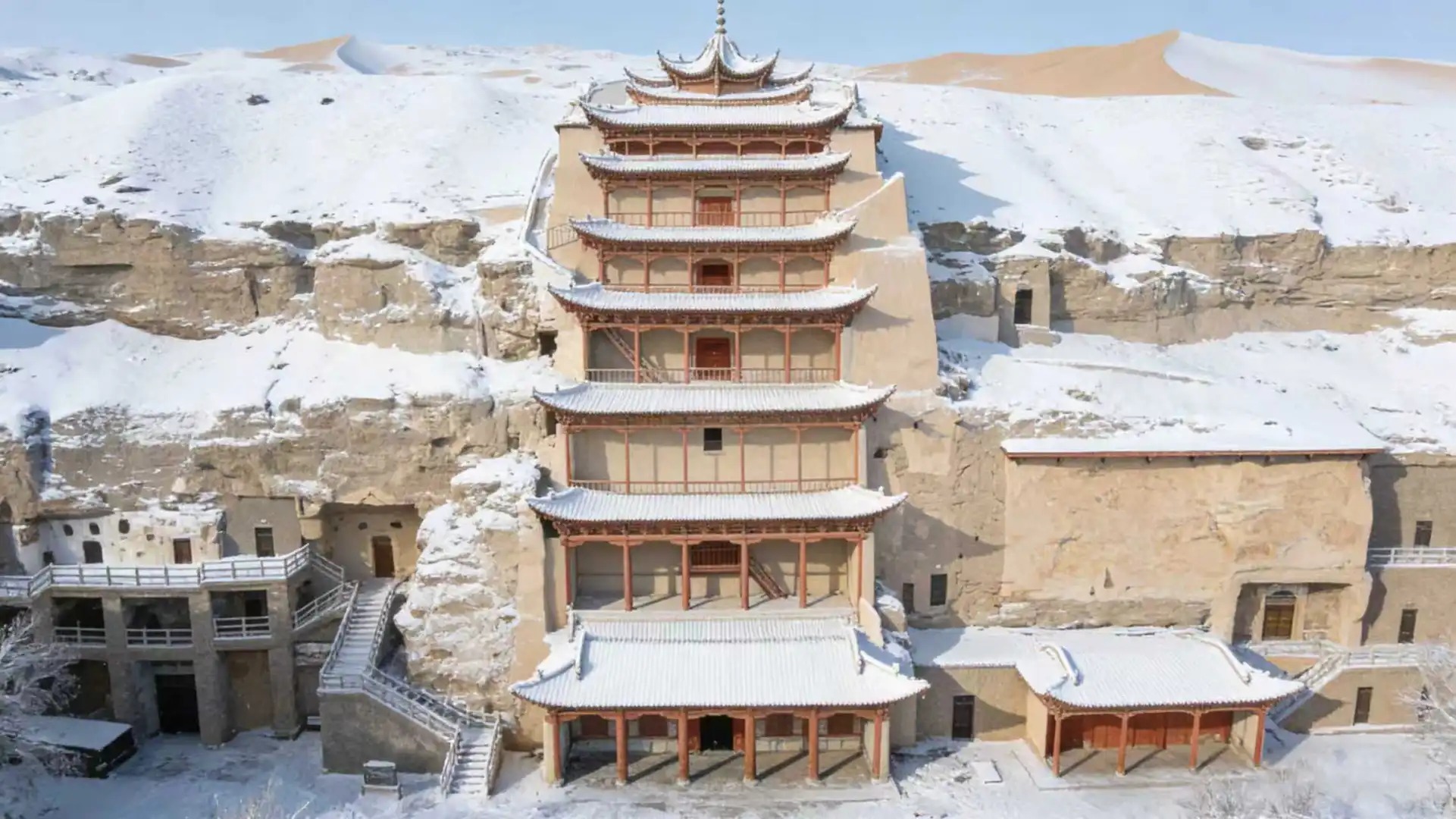
Mogao Caves, Mingsha Mountain and Crescent Lake, and the Yadan landscapes can all be included.
One major advantage is the much smaller number of visitors. Tickets for the Mogao Caves are generally easier to obtain than during the summer holiday period, when demand can be extremely high.
The desert and Gobi landscapes are also much quieter in winter. If snowfall happens to occur, Mingsha Mountain can take on a particularly unusual appearance.
Zhangye Danxia National Geological Park
The colorful Danxia landscapes of Zhangye are still worth visiting in winter.
Although the colors may not appear as intense as they do in summer, the low-angle winter sunlight can still highlight the layers and contours of the mountains.
If snowfall occurs, the red, yellow, and gray mountains can form a striking contrast with the white snow.
Which Places Need to Be Adjusted in Winter?
Winter travel around Qinghai and Gansu is not simply about deciding which attractions cannot be visited. Instead, the route should be redesigned according to the season.
Heima River, Qinghai Lake
Heima River enters its low season in winter, and some tourist facilities may close.
Therefore, it is not recommended to simply copy the summer itinerary and use Heima River as an overnight stop.
Menyuan
Menyuan is particularly famous for its summer rapeseed flower fields.
Since this seasonal attraction is absent in winter, you can lower its priority unless you specifically want to experience its winter snow-covered scenery.
Qilian
Qilian is not a destination that must be avoided in winter.
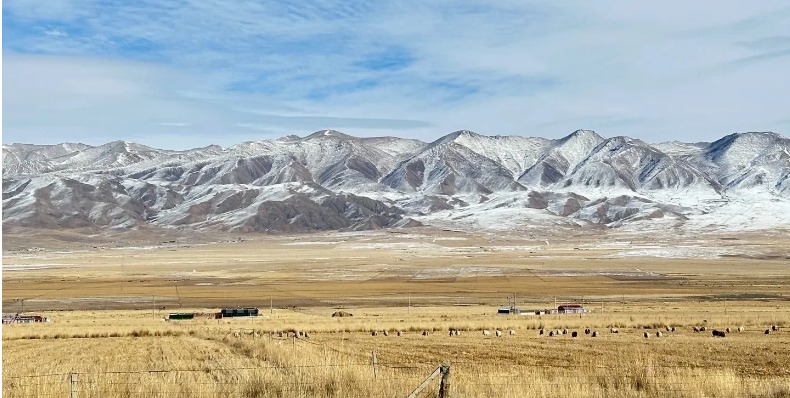
Although the grasslands are no longer green, the snow-capped mountains, snow-covered landscapes, and winter grasslands have their own character.
If weather and road conditions are suitable, Qilian can still be incorporated into the overall route.
5. Does It Snow in Qinghai and Gansu in Winter?
Yes.Some areas of Qinghai and Gansu receive snowfall during winter, particularly at higher elevations and in mountainous areas.
However, there is one important point to remember:
It does not snow every day across the Qinghai–Gansu region.
You may travel for seven days and experience snowfall on only one or two days. It is also possible to have clear skies throughout the entire trip.
Therefore, if you particularly enjoy snowy landscapes, it is better not to design an itinerary where you must see snow every day.
A more practical approach is to make winter scenery the main theme while choosing the best areas for snow photography according to real-time weather conditions.
It is recommended to contact a local travel agency before departure to understand the latest weather conditions.
This is also one reason why private customized travel can be particularly useful in winter.
6. Can Roads Be Closed in Winter?
Yes, temporary road closures or traffic restrictions are possible.
This is one of the biggest differences between winter and summer travel.
In cases of heavy snowfall, strong winds, or icy roads, some high-altitude sections, mountain roads, or roads leading to remote attractions may be subject to temporary traffic controls.
Actual driving times may therefore become significantly longer.
For this reason, winter itineraries should not be planned too tightly, and daily driving time should not be pushed to the limit.
7. How Cold Is Qinghai and Gansu in Winter?
This is one of the biggest concerns for first-time visitors to Northwest China.
Winter in Qinghai and Gansu can have significant differences between daytime and nighttime temperatures, while conditions also vary considerably depending on location, elevation, and weather.
Urban areas and high-altitude attractions can feel completely different.
On a sunny day around midday, the temperature may feel relatively comfortable in direct sunlight. After sunset, however, temperatures can drop rapidly.
Qinghai Lake, Dachaidan, and some high-altitude areas can become particularly cold in the early morning and evening.
According to the travel experience described here, daytime winter temperatures in parts of Qinghai and Gansu are generally around 0–4°C, while early morning and evening temperatures can fall to around -10°C. The temperature difference can be significant, although the actual experience may not feel as cold as the numbers suggest.
For most travelers, it is important to prepare:
- Warm hat
- Scarf
- Gloves
- Down jacket
- Thermal underwear
- Fleece-lined trousers
If you plan to spend a long time outdoors taking photographs, warm gloves and insulated footwear are especially important.
8. Is It Safe to Drive Yourself in Winter?
Self-driving is possible, but you should be particularly cautious.
If you have no experience driving on snowy or icy roads, long-distance self-driving is not recommended.
Potential winter driving risks include:
- Snowfall
- Icy roads
- Hidden ice
- Strong winds
- Low visibility
- Night driving
- Temporary traffic restrictions
- Sudden weather changes at high elevations
Vehicles should ideally be equipped with winter tires, anti-skid equipment, and emergency supplies.
For first-time international visitors, self-driving also means dealing with route planning, weather conditions, accommodation, and unexpected situations.
If you are unfamiliar with local roads and winter driving conditions, choosing a private car with a local driver can provide a more practical and comfortable option.
9. Why Is a Private Car Tour More Suitable for Winter Qinghai–Gansu Travel?
This may be one of the biggest differences between winter and summer travel.
During summer, the large number of visitors means there are many:
- Group tours
- Shared-car tours
- Fixed 7-day tours
- Fixed 8-day tours
When visitor numbers decrease in winter, fixed group-tour products become much less common.
However, this does not mean that there are no travelers in winter.
In fact, people who choose to visit Qinghai and Gansu during winter often have more specific travel preferences.
For example:
- “I specifically want to see the Danxia landscapes after snowfall.”
- “I want to see the frozen landscape of Qinghai Lake.”
- “I don’t want to spend every day driving hundreds of kilometers.”
- “If it snows, I want to be able to adjust the itinerary.”
These needs naturally fit private customized travel.
Advantages of a Private Car Tour
- First, the itinerary can be adjusted.If the weather is unfavorable on a particular day, attractions can be changed according to actual conditions.
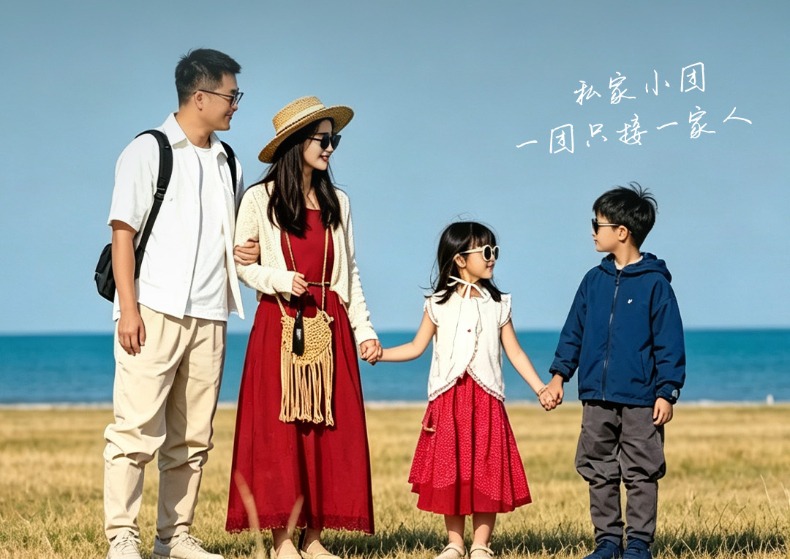
- Second, you do not need to accommodate strangers.A private group of 2–6 people can travel at its own pace.
- Third, unnecessary long-distance driving can be reduced.Winter daylight hours are shorter, making it even more important to manage the daily itinerary carefully.
- Fourth, it is better suited to photography.If a destination has particularly good weather and lighting, you can stay longer instead of having to leave according to a fixed group schedule.
Recommended Itinerary: 7-Day Private Tour of Qinghai and Gansu | Discover the Stunning Scenery of Qarhan Salt Lake
Xining → Qinghai Lake → Chaka Salt Lake → Delingha → Qarhan Salt Lake → Emerald Lake → Heidushan → Dunhuang→ Son of the Earth → Zhangye-Coloured Danxia → Qilian Grasslands → Menyuan → Xining
10. Can You Still Complete the Qinghai–Gansu Grand Loop in 7 Days in Winter?
Yes, but it is not recommended to simply copy a summer itinerary.
Winter route planning needs to consider:
- Weather
- Road conditions
- Daylight hours
- Attraction opening status
- The seasonal appeal of each destination
Popular summer attractions may not offer the same experience in winter.
If snowfall occurs, it may be better to prioritize destinations where snowy landscapes are particularly impressive.
A 7-day winter itinerary does not need to focus on checking off as many attractions as possible. Instead, prioritize destinations that offer strong winter scenery and arrange the route flexibly.
If conditions allow, 8–10 days will provide a more relaxed experience than a tightly scheduled 7-day trip.
11. How Much Cheaper Is Qinghai–Gansu Travel in Winter?
Winter is the low season, so prices for some hotels, attractions, and travel services are generally lower than during the summer peak season.
For accommodation, some hotels may offer significantly lower rates during the low season.
Some attractions may also offer low-season ticket prices that are lower than peak-season rates.
However:Do not assume that a winter trip will automatically cost only half as much as a summer trip.
A private car tour is a customized service, and the final price depends on factors such as:
- Vehicle type
- Driver
- Route
- Number of days
- Accommodation standards
Although there are fewer tourists in winter, this does not mean that private car tours should simply be chosen based on the lowest possible price.
For a long winter journey, vehicle condition, driver experience, and route planning are all important parts of the overall travel experience.
12. What Kind of Travelers Is a Winter Qinghai–Gansu Grand Loop Suitable For?
If you fall into any of the following categories, winter travel around Qinghai and Gansu may be a good fit for your travel preferences.
✅ Travelers Who Love Snowy Landscapes
If you are drawn to snow-capped mountains, frozen lakes, and snow-covered deserts, and do not particularly need summer flower fields or green grasslands, the rugged winter scenery of Northwest China may be exactly what you are looking for.
✅ Travelers Who Dislike Crowds
If you want to avoid the summer crowds and experience Northwest China in a quieter atmosphere, winter offers significantly fewer visitors at many destinations.
✅ Photography Enthusiasts
The unique winter light, combined with snow, Gobi landscapes, and salt lakes, can create images that look completely different from typical summer photographs.
✅ Travelers Who Prefer Small Private Groups
A private 2–6-person tour allows you to avoid sharing a vehicle with strangers and travel according to your own pace, making it particularly suitable for winter travel.
✅ Travelers With Flexible Schedules
If you do not want a rigid daily itinerary and are comfortable adjusting the route according to changing weather conditions, your winter journey can be more flexible and enjoyable.
13. Is the Qinghai–Gansu Grand Loop Worth Visiting in Winter?
Yes.Winter Qinghai and Gansu do not have the summer rapeseed flowers or green grasslands, but they offer snow-capped mountains, frozen lakes, snow-covered Danxia landscapes, Gobi landscapes, and a much quieter side of Northwest China.
Winter travel is better suited to a flexible itinerary that can be adjusted according to weather, road conditions, and attraction opening status. It is also particularly suitable for private car tours and small-group customized travel.
Whether you are an overseas Chinese traveler, a visitor from Hong Kong, Macau, or Taiwan, or a traveler holding a foreign passport, our travel agency offers private car tours and customized trips for 2–6 people.
We plan the itinerary around your preferred pace, reduce unnecessary driving, and give you more time to enjoy the scenery.
If you are planning to travel around Qinghai and Gansu from November to March, tell us your travel dates and group size. We can design a suitable winter itinerary based on seasonal road conditions and weather.
Contact us to customize your winter Qinghai–Gansu journey and experience private customized travel in China.
Why Choose Us (10,000+ reviews & 98.8% 5-star rating)
Save Your Time:
▪ Less research, more enjoyment!
▪ Real-time 1V1 expert planning
Maximize Your Flexibility:
▪ Personal local guide and ride
▪ Explore at your own pace
Live Your China Story:
▪ Authentic local culture and lifestyles
▪ Understand the culture by living it
【Top Picks】
Top-Rated Travel Planner
10 years of experience planning travel itineraries!
We’ll save you the hassle and help you save money!

WhatsApp number: +86 18582908165
A Global Network of Trust and Recognition

Our Promise
A 4-on-1 Team Dedicated to You.
YOUR
PERSONAL TRAVEL DESIGNER
“
We’re Travelers First, Planners Second.”

Deeply rooted in Asia for authentic advice. Passionate about crafting your unique story.
YOUR
LOCAL
STORYTELLER
“
We share the stories you won’t find in a guidebook”

Connecting you with the top 20% of local storytellers. Your personal photographer for cherished moments.
YOUR
PRIVATE DRIVER
& CAR
“
20% more space, 100% on your schedule.”

A seamless journey that moves at your own pace. Your private, comfortable space on the road.
YOUR
24/7
TRAVEL SUPPORT
“
Any Problem, Anytime, Anywhere.”

Your safety and peace of mind are our priority. Instant responses, so you’re never left waiting.