

Overseas Travel Journal: Sharing My Xinjiang Travel Experience (Part 1)

Nicole
My Xinjiang Travel Experience: A Month Later, I Still Miss the Scenery
It’s been more than a month since I returned from Xinjiang, but I still miss the scenery there.
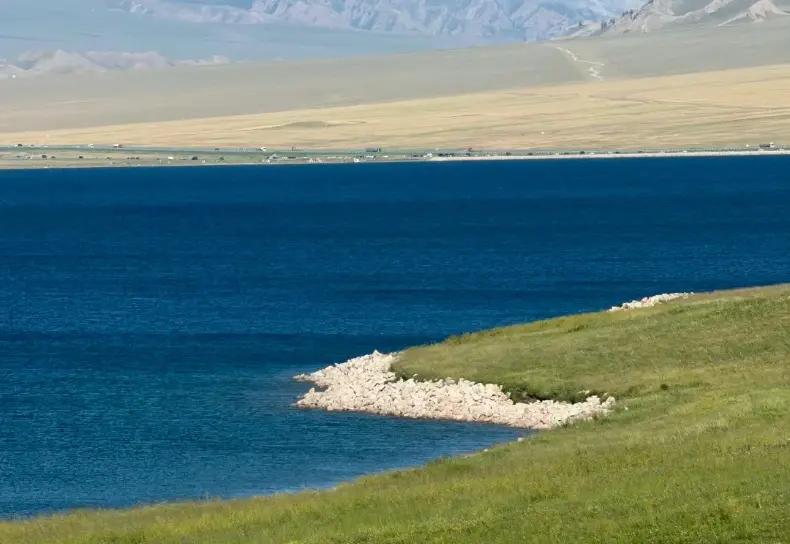
I miss the vast grasslands of northern Xinjiang, the herds of cattle and sheep, Kanas, and Sayram Lake.
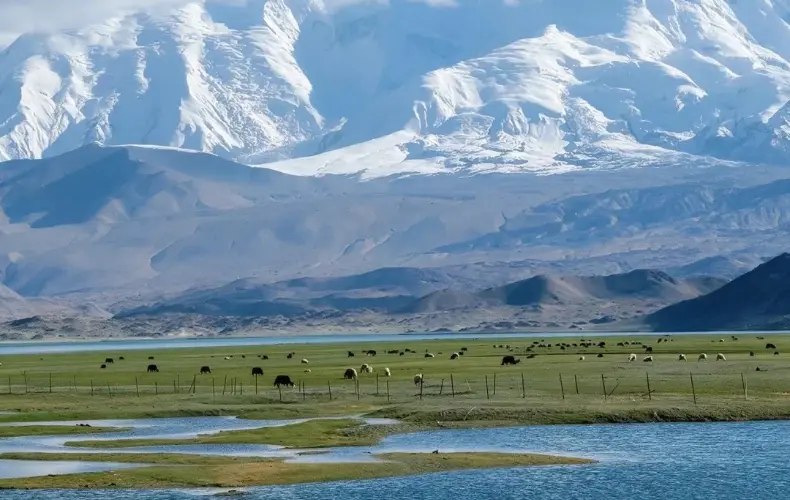
I miss the grand canyons and alpine lakes of southern Xinjiang, as well as Kashgar Old Town, which I visited three times and still couldn’t get enough of.
People ask me whether northern or southern Xinjiang is more fun. I still feel that both have their own unique beauty and character. If you have the time, visit both—that’s the best way to experience Xinjiang fully.
I’m grateful for all the Facebook groups where travelers look for companions. They helped me find like-minded people to travel with.
I departed from Taiwan on July 2 and didn’t return until July 21. While the memories are still fresh, I’d like to share my travel experiences with everyone, especially those planning a trip to Xinjiang.
Food
- I joined a tour organized by a local travel agency. The tour fee covered transfers, transportation in a local seven-seat-plus SUV, four-star hotel accommodation, insurance, and other essentials. For meals, the driver took us to places where we could eat, allowing us to explore local specialties on our own. If we wanted to share a group meal, we could order dishes together with fellow travelers who had similar dietary preferences and split the bill. Otherwise, everyone could order whatever they liked, which was also very convenient.
- Xinjiang is a paradise for people who love beef and lamb. The meat from naturally pastured cattle and sheep is excellent, especially the lamb. The aroma of grilled lamb skewers fills the snack streets, and there are countless other dishes, including baked buns, whole roasted lamb, lamb pilaf, lamb soup, meat-stuffed naan, and sheep lung and rice sausages, among many dishes whose names I don’t even know how to translate. Locals often sprinkle plenty of cumin powder on grilled lamb skewers. If you’re not fond of the flavor, remember to ask the staff to leave it out or use less.
- Most people in Xinjiang follow Islam. As someone who doesn’t eat beef or lamb, I still had plenty of options and never had to go hungry. These included naan, tomato and egg rice or noodles (if you don’t want spicy food, tell the staff, because even mildly spicy dishes may be much hotter than you expect), big-plate chicken, and peppercorn chicken. Even the smallest portions of the chicken dishes usually serve two or three people. Other options include chicken burgers, grilled chicken legs, grilled chicken wings, grilled sausages, and grilled vegetables. Most noodles in Xinjiang are handmade and pulled, giving them a wonderfully chewy texture. If you can find a Chinese-style restaurant serving Han Chinese cuisine, such as a Sichuan or Hunan restaurant, you can also find pork dishes. These are easier to find in northern Xinjiang, which attracts more visitors from other parts of China. I tried dishes at several restaurants, and they were consistently good, showing impressive cooking skills. There was even a Beijing roast duck restaurant in Urumqi that served duck better than what I’ve had in Taiwan. The pancakes were thin and slightly translucent, yet soft, chewy, and refreshing. If someone in your tour group has a mainland Chinese phone number and can use Meituan food delivery, meals won’t be a problem. I even asked a fellow traveler to help me order dumplings and pork wonton soup.
- Breakfast was served at the hotels. However, remember that the ham may be made from beef or lamb products, so avoid it if you don’t eat those meats. There are still plenty of other breakfast options. In any case, make sure you eat a hearty breakfast. Even if traffic delays you on the way to lunch, you’ll have enough energy to get by. In Xinjiang, it’s normal for people to eat lunch at 2–3 p.m., as I’ll explain later. Remember to grab two boiled eggs or tea eggs to take with you, so you have something to eat if you get hungry.
- There’s no need to bring instant noodles or snacks from Taiwan. There are rest stops along the way in Xinjiang, with shops selling snacks and drinks. Prices are a little higher, but not outrageously so. You can also buy food and daily necessities at supermarkets in the cities.
- Xinjiang may not be particularly vegetarian-friendly. Locals may consider a dish vegetarian simply because it contains no meat, but the soup may still be made with bones. Strict vegetarians should bring some canned food and vegetarian floss as a backup.
- Restaurant staff in Xinjiang may not have the same level of service training as those in Taiwan, so be patient with them. When more than five customers order at the same time, service can be slow, and dishes may arrive in the wrong order or be delivered to the wrong table.
- There is an amazing variety of summer fruits, including watermelons, various melons, flat peaches, figs, apricots, and grapes. Watermelons and Hami melons are juicy, sweet, and inexpensive. Our tour guide treated us to fruit several times.
- Always bring medication for digestive problems when traveling, such as digestive aids, stomach medicine, and anti-diarrhea medication. These can help with unfamiliar food or an upset stomach. Since eating a lot of meat can also cause constipation, pay attention to your digestion, eat plenty of vegetables, and remember to drink enough water.
Clothing
- The weather in Xinjiang is changeable. I started following Xinjiang travel updates on Xiaohongshu as early as April. In higher-latitude areas, hail or snow can occasionally occur even in June, July, and August. It can also feel cold when it rains in the mountains, so I recommend bringing a waterproof outdoor jacket or a lightweight down jacket just in case. The UV rays are also very strong, so I personally consider a sun-protective jacket or long sleeves essential. Bring a hat (hats are inexpensive in Xinjiang, so you can also buy one there) and sunglasses. For better travel photos, consider wearing brighter colors, and ladies may want to bring a white dress as well. Although Xinjiang is dry, clothes don’t necessarily dry overnight indoors. Some hotels have washing machines and dryers, but there aren’t many, so prioritize clothes that dry relatively quickly. One or two skirts should be enough; bring long pants for the rest of your outfits. Shorts and short skirts can leave your legs sunburned, and skirts can be inconvenient for activities such as horseback riding and camel riding, where long pants are more practical.
- Leather or synthetic-leather casual shoes are preferable. Fabric shoes are harder to clean if they get wet or muddy. Don’t worry too much about cow or horse droppings on the grasslands—you should be able to see them unless your eyesight is particularly poor! Bring a pair of slippers to keep in the car, either as a backup or to relieve foot pressure during long drives. As for clogs, you’ll need to see whether they remain comfortable after wearing them for a long time and whether your feet get sweaty inside. Try them out beforehand.
- I don’t recommend wearing trousers that are so long they drag on the ground, as they can pick up dirt and other unpleasant things, especially in toilets.
Accommodation
- The hotels arranged by the travel agency were all quite good. The rooms were spacious and well equipped. However, each room only had one or two small rolls of toilet paper, so ask the front desk for more if needed. The facilities were comparable to star-rated hotels in Taiwan. Charging phones and cameras was no problem—you could plug directly into 220-volt outlets. Still, I strongly recommend bringing an extra charging set in case yours is lost or breaks. You can buy replacements at supermarkets or rest stops, but the quality isn’t particularly good.
- Hotel restaurants generally start serving breakfast at 7:30–8:00 a.m., so departing after 8:30 a.m. allows you to enjoy breakfast properly.
- A reminder: avoid spilling coffee, soup, or other food on hotel towels and bed sheets. Hotels inspect these items carefully, and you may have to pay compensation if stains cannot be removed.
- Independent travelers should note that Taiwanese visitors need to stay at hotels licensed to accommodate foreign guests. During Xinjiang’s peak travel season, which starts picking up as early as June, accommodation prices can multiply several times. Some rooms may be unavailable even if you’re willing to pay, so Xinjiang is not an ideal destination for completely unplanned independent travel.
Transportation
- If you’re joining a local tour like I did, I recommend arriving the day before. If your flight is delayed and you miss your connecting flight, you’ll have to cover the resulting losses yourself. If you’re planning to visit Xinjiang during peak season, it’s also best to buy your flights several months in advance. There are currently no direct flights from Taiwan to Urumqi, so you’ll need to transfer. Since weather conditions in mainland China can be unpredictable, allow plenty of time for connections to avoid missing your next flight if there are delays.
- The local travel agency provided us with a seven-seat-plus SUV equipped with airline-style seats. It was reasonably comfortable and could travel directly on the Duku Highway and Panlong Ancient Road. However, I think the luggage space is just right for one 24–26-inch suitcase per person. The driver also acted as our guide. We preferred to let the driver focus on driving safely, so I recommend researching information about Xinjiang’s attractions in Taiwan beforehand rather than expecting the guide to deliver detailed historical explanations and eloquent commentary like some guides elsewhere in mainland China. Xinjiang guides tend to be quiet and straightforward, but they are very kind and may even buy fruit for the group.
- Drivers in Xinjiang rarely use their turn signals and often weave between vehicles. They also tend to drive fast, and there are many speed cameras that are easy to miss. Unless you’re an exceptionally skilled driver, I really don’t recommend self-driving. There are also frequent security checkpoints along the roads. Individual travelers may be subject to particularly thorough checks, unlike our experience, where officers generally just opened the car door, took a quick look, and let us through.
- Taxis in Xinjiang are inexpensive. You can book one through a mini-program or hail one on the street in the city. However, confirm the fare before getting in, or make sure the meter is running. Be especially careful of unlicensed cars, whose drivers may quote outrageous prices, raise the fare after driving for a while, or claim that the original quote was only for one passenger.
- If you stay in Urumqi, make sure to visit the Xinjiang Uygur Autonomous Region Museum to learn more about Xinjiang’s history and see its thousand-year-old mummies. The famous Loulan Beauty awaits your visit! If you have an extra day, you can look for a well-reviewed travel agency on Taobao to arrange a trip to Jiangbulake, a beautiful destination about 200 kilometers from Urumqi that many tour groups don’t include in their itineraries. From mid-July onward, the wheat covering the hills begins to turn golden, creating magnificent waves of golden fields.
- Always watch where you’re walking. You may accidentally kick a rock or step on uneven ground. I actually fell flat on my face in front of a hotel, and my knee hurt for three whole days. When traveling, you need to take care of yourself. Before leaving Taiwan, remember to purchase travel inconvenience insurance, travel accident insurance, and emergency assistance coverage.
- Xinjiang covers one-sixth of China’s total land area, so attractions are far apart whether you’re traveling in northern or southern Xinjiang. Long hours on the road are perfectly normal. When I was looking for travel companions, some people said they didn’t want to spend so much time in a car. I really wanted to tell them to learn about Xinjiang’s geography first! When joining a tour, check that the daily itinerary isn’t overloaded. You’ll need to prioritize attractions, and seeing too many similar landscapes can also lead to visual fatigue. For driving safety and to prevent driver fatigue, Xinjiang’s transport authorities limit tourist vehicles to 600 kilometers of driving per day. Exceeding this limit can result in substantial penalties for the driver. So if you want to add more attractions but the driver refuses, please respect that decision.
- You need a border pass to visit Tashkurgan, and there is an office inside Kashgar Old Town where you can apply for one. The Yizhao Highway and Duku Highway are only open during certain periods. Opening dates vary each year depending on weather conditions, generally from around June to mid-October.
Why Choose Us (10,000+ reviews & 98.8% 5-star rating)
Save Your Time:
▪ Less research, more enjoyment!
▪ Real-time 1V1 expert planning
Maximize Your Flexibility:
▪ Personal local guide and ride
▪ Explore at your own pace
Live Your China Story:
▪ Authentic local culture and lifestyles
▪ Understand the culture by living it
【Top Picks】
Top-Rated Travel Planner
10 years of experience planning travel itineraries!
We’ll save you the hassle and help you save money!

WhatsApp number: +852 44412943
A Global Network of Trust and Recognition

Our Promise
A 4-on-1 Team Dedicated to You.
YOUR
PERSONAL TRAVEL DESIGNER
“
We’re Travelers First, Planners Second.”

Deeply rooted in Asia for authentic advice. Passionate about crafting your unique story.
YOUR
LOCAL
STORYTELLER
“
We share the stories you won’t find in a guidebook”

Connecting you with the top 20% of local storytellers. Your personal photographer for cherished moments.
YOUR
PRIVATE DRIVER
& CAR
“
20% more space, 100% on your schedule.”

A seamless journey that moves at your own pace. Your private, comfortable space on the road.
YOUR
24/7
TRAVEL SUPPORT
“
Any Problem, Anytime, Anywhere.”

Your safety and peace of mind are our priority. Instant responses, so you’re never left waiting.