

China’s Top Ten Must-Visit Cities: Where to Go on Your First Trip to China
China, a country where history and natural beauty come together, attracts visitors with its breathtaking travel destinations.
From ancient wonders to modern marvels, this vast country offers countless incredible places to explore.
Our selection of these 10 cities makes a wonderful choice for an annual family holiday, birthday trip, anniversary getaway, bucket-list adventure, or any other special milestone.
Here is a quick guide to help you choose destinations based on the length of your trip:
- 1-week itinerary: Beijing, Xi’an and Shanghai
- 2-week itinerary: Add Zhangjiajie and Guilin
- 3-week itinerary: Add Yunnan or Sichuan + Chongqing
- 4 weeks or more: Include Tibet and Xinjiang
1. Beijing: Discover Imperial China
If I could choose just one city for your first trip to China—or as the first stop on your China journey—it would be Beijing.
Not only is it the capital, but it is also one of the best places to experience China’s long history, rich culture and diverse architectural styles.
From iconic landmarks such as the Great Wall, the Forbidden City and the Temple of Heaven to the Summer Palace, Beijing brings history to life.
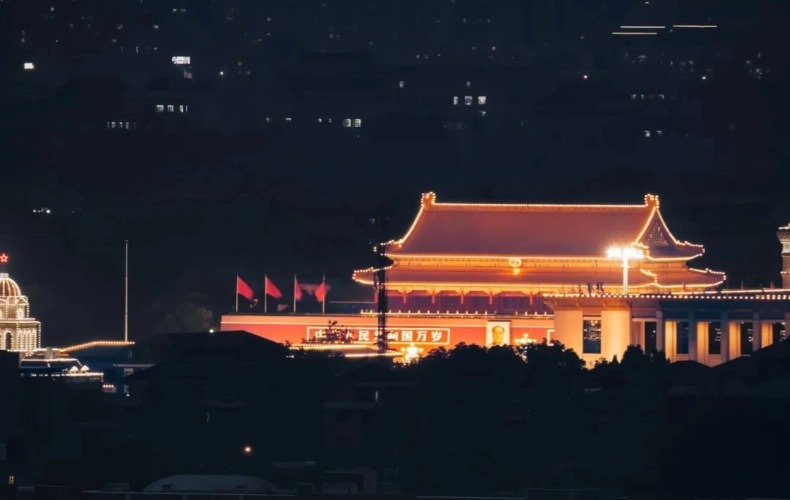
If you are interested in local life, take a stroll through the hutongs, winding among residential neighbourhoods, local markets and parks where residents gather for their morning exercise.
You may even visit a local family in a hutong to learn what a traditional Chinese household is like, experience their way of life, and take part in cultural activities such as mask painting or paper cutting.
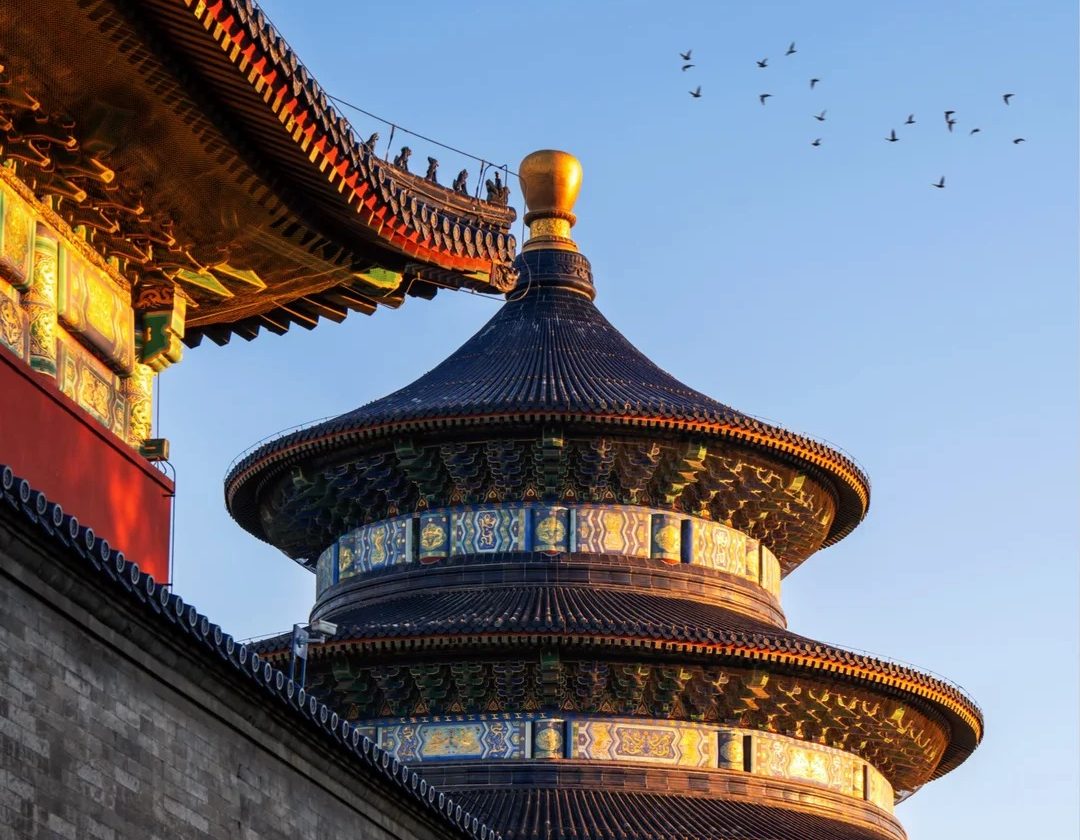
Beijing also offers a wide variety of food. For a casual meal, head to a tucked-away restaurant in the hutongs and try authentic Beijing snacks. For a more upscale or distinctive dining experience, visit a famous Peking duck restaurant or even enjoy a royal-style banquet inspired by imperial cuisine.
If Beijing is just one stop on your China itinerary, 3–4 days is usually enough. But if you would like to use Beijing as a base for a deeper exploration, spending a week here is ideal. In addition to sightseeing in Beijing, you can take short trips to nearby destinations such as Datong or Pingyao.
If this is your first visit to China, take a look at our recommended Beijing tour itineraries.
2. Shanghai: Experience Modern China
If you want to experience China at its most modern and international, while still enjoying its cultural heritage, Shanghai is a must-visit destination.
One of the best ways to enjoy the city’s dazzling night views is to take a cruise along the Huangpu River. As the boat glides along the river, you will see futuristic skyscrapers on one side and the century-old buildings of the Bund on the other. The striking contrast between the lights and architecture is truly spectacular.
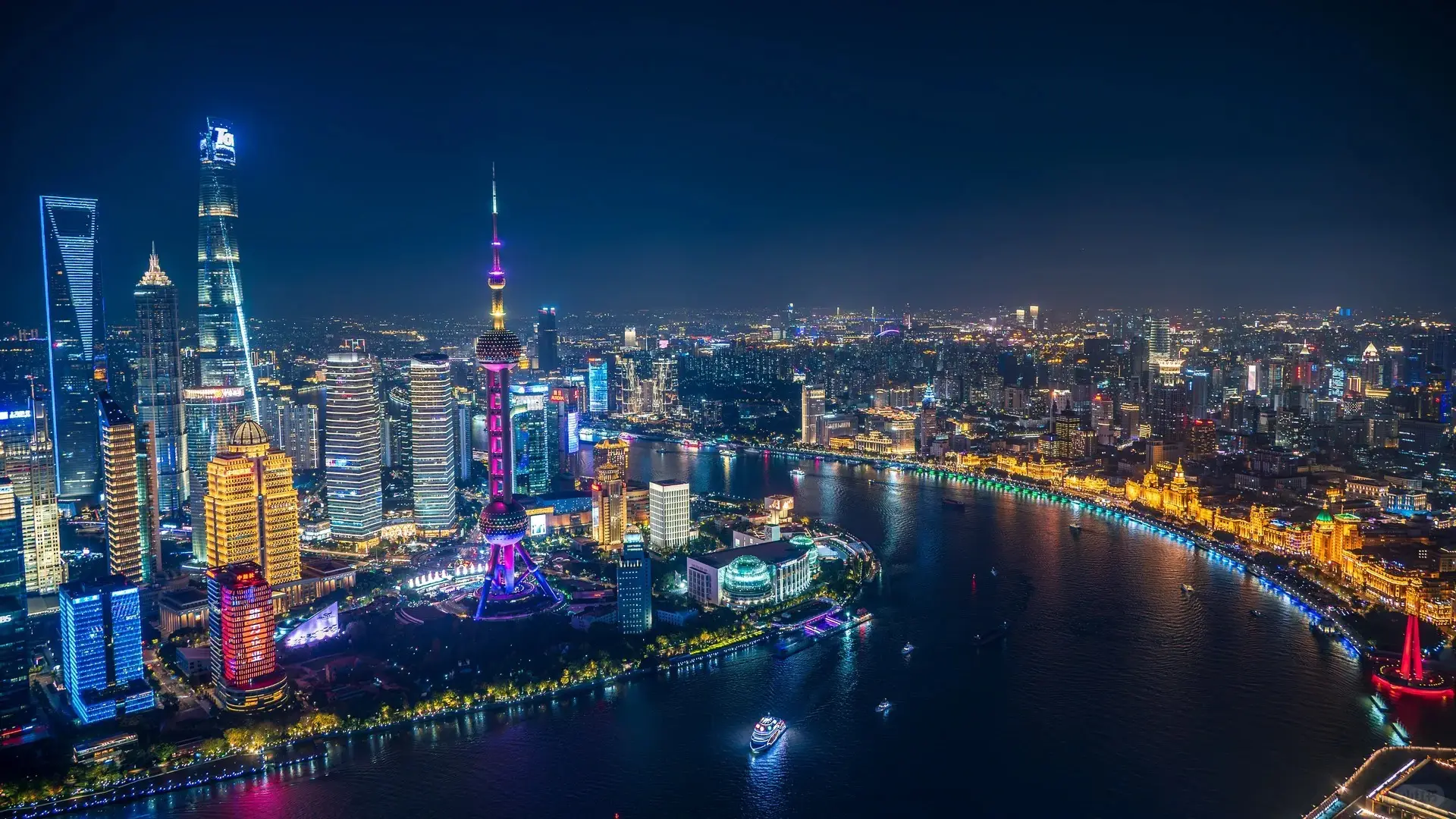
What sets Shanghai apart from many other Chinese cities is its distinctive colonial history. Take a walk along the Bund and admire the blend of architectural styles from different eras.
Alternatively, explore the former French Concession, where tree-lined streets, hidden villas and peaceful gardens offer a wonderful way to discover another layer of Shanghai’s rich history.
For families, Shanghai is also a city where children can have fun while learning. From the thrilling rides at Disneyland and the creative world of LEGOLAND to the wonders of the world’s largest planetarium, there is plenty to enjoy. You could even visit leading universities such as Fudan University or Shanghai Jiao Tong University for inspiration beyond entertainment.

If Shanghai is just one stop on your trip, two days is enough to visit the city’s main attractions and make a short trip to a water town such as Zhujiajiao.
For a more relaxed and in-depth experience, however, we recommend spending 5–7 days. This gives you time to include nearby destinations such as Suzhou, Hangzhou or even Huangshan. Explore our Shanghai tour itineraries.
3. Zhangjiajie: Discover China’s Spectacular Landscapes
If you want to see some of China’s most extraordinary natural scenery, Zhangjiajie is undoubtedly one of the top choices.
Its most famous attraction is the “Avatar Mountains” in Zhangjiajie National Forest Park, known for their towering sandstone pillars and swirling mist. Being here feels like stepping into a surreal world.
Another highlight is Tianmen Mountain. You can ride one of the world’s longest cableways, climb 999 steps to the spectacular Tianmen Cave, and enjoy breathtaking views along the way.
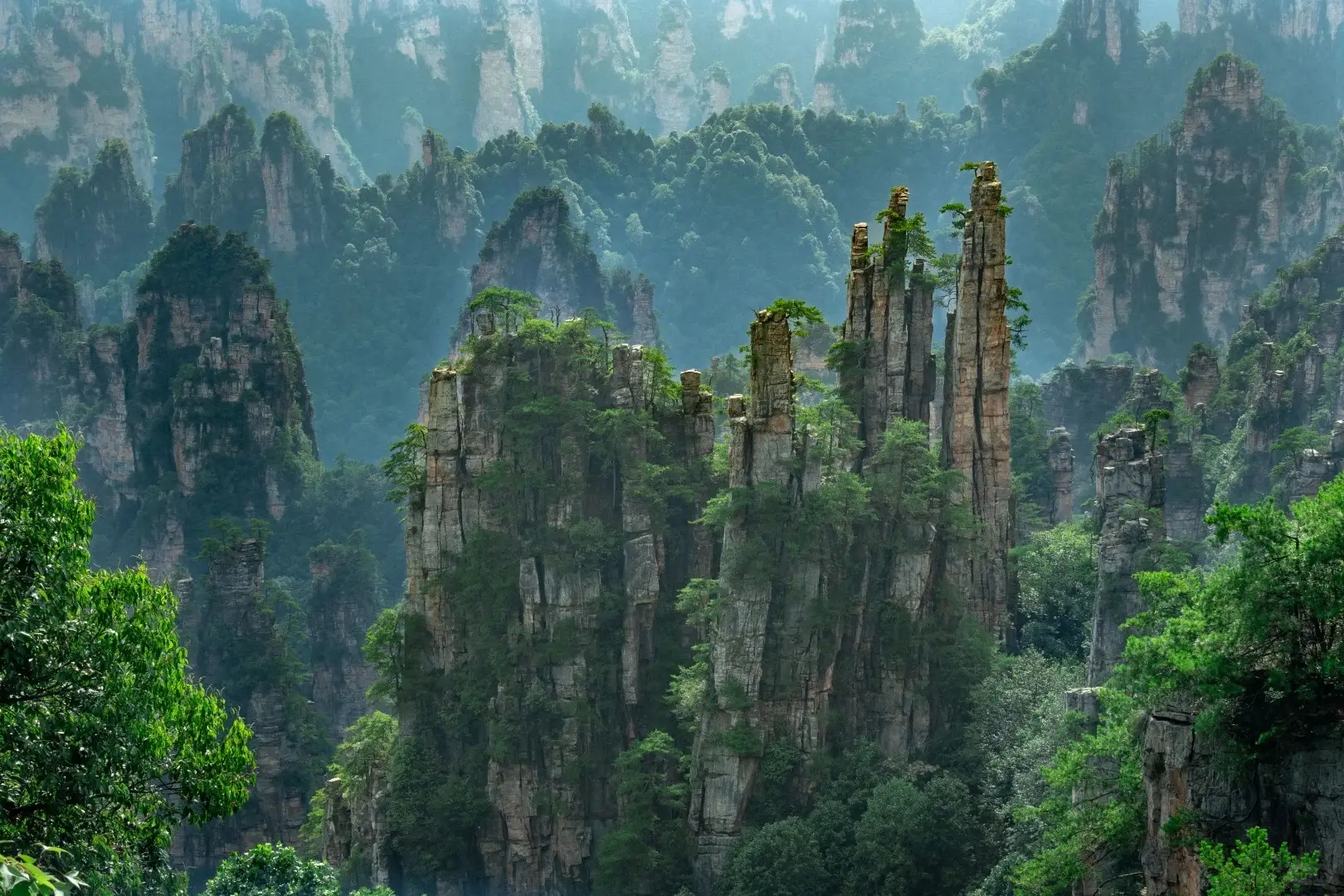
The Zhangjiajie Grand Canyon Glass Bridge is also not to be missed. Located in the Grand Canyon Scenic Area, it offers a thrilling experience and sweeping views of the magnificent canyon.
The best time to visit Zhangjiajie is from April to October. However, large crowds and long queues—especially at the national forest park—can sometimes be a challenge.
To avoid the busiest periods, consider visiting in late May, early June, or from late September to late October. If you want to save time, you can also pay extra for a VIP access option to avoid some queues.
4. Xi’an: Explore China’s History
If you are interested in Chinese history and culture, Xi’an is a must-visit destination. As the capital of 13 ancient dynasties, Xi’an has a deep historical heritage. It was the starting point of the Silk Road and one of the important birthplaces of traditional Chinese civilisation.
The most iconic attraction is the Terracotta Army. For a more private and unique experience, we can take you to a less-visited museum where you can see some of the first excavated warriors, get close to Qin Dynasty artefacts, and even try your hand at artefact restoration.
Hanfu experiences are also becoming popular among younger visitors to Xi’an. Dress in traditional Hanfu and take photos at places such as the Giant Wild Goose Pagoda, Yongning Gate or Qujiang Pool, and you may feel as though you have travelled back to the Tang Dynasty capital.
In the evening, head to the Grand Tang Mall to enjoy lively nightlife inspired by the prosperous Tang Dynasty. You can watch light shows and performances, browse the shopping streets, or climb the ancient city wall for panoramic views of the city at night.
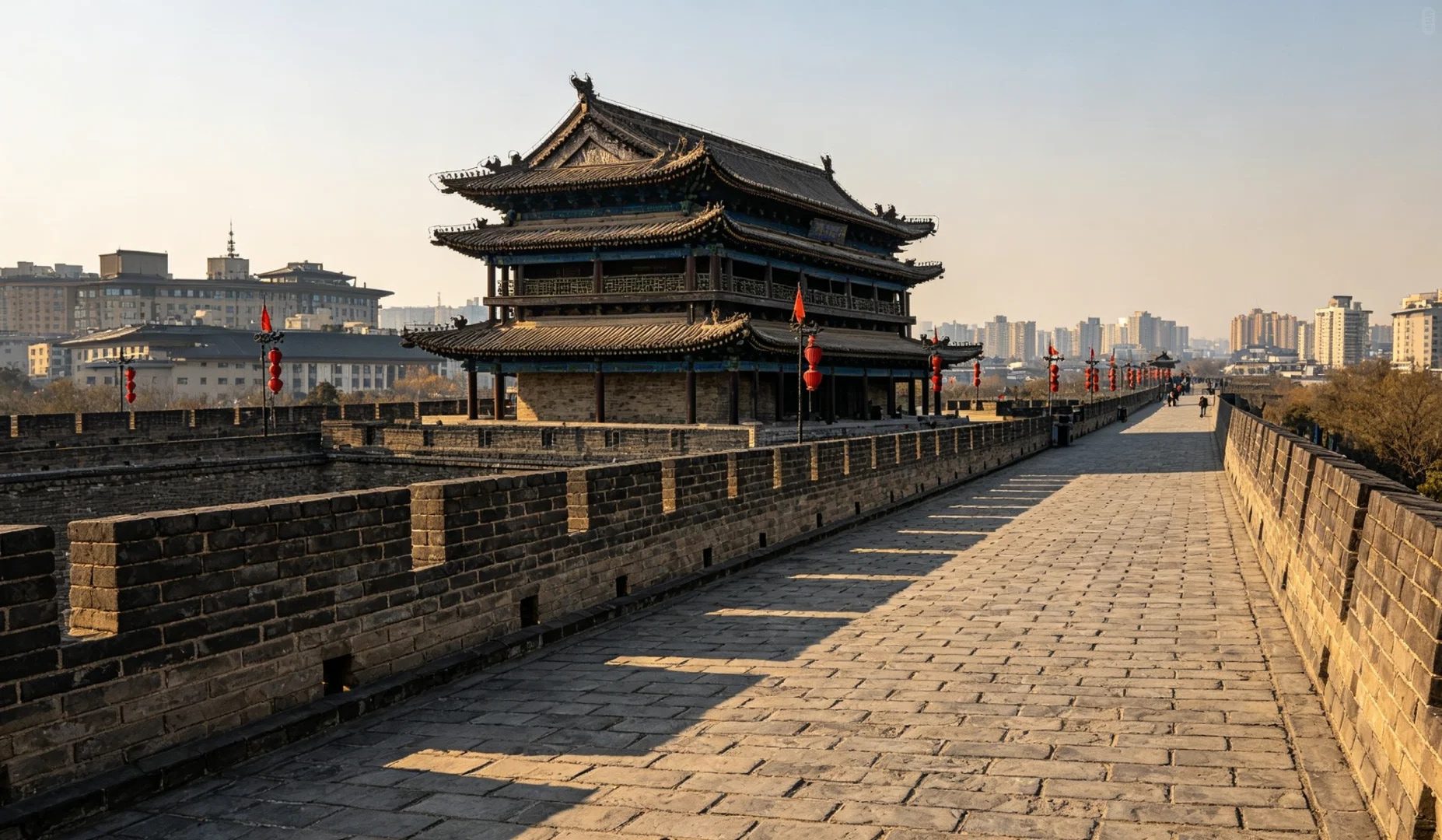
You can plan a 2–3-day trip to Xi’an. If you would like to add some natural scenery to your itinerary, consider visiting Mount Hua. In that case, allow around four days in total.
5. Sichuan: Savour the Flavours of China
If you are looking for a destination with a relaxed pace of life, rich cultural heritage and beautiful natural scenery, Chengdu in Sichuan is not to be missed.
The Chengdu Research Base of Giant Panda Breeding is a must-visit for panda lovers. To avoid the crowds, we recommend arriving at around 8 a.m., when the pandas are most active and the park is usually quieter.
For a more interactive experience, the volunteer programmes at the Dujiangyan Panda Base are well suited to families with children. You can also explore our Sichuan tour itineraries.
Chengdu is a city closely connected to everyday life. At People’s Park, you can experience local leisure culture by sipping a traditional cup of tea, watching locals play mahjong, or even trying the distinctive street-side ear-cleaning experience.

If you are a food lover, Chengdu will not disappoint. The city is famous for its spicy hotpot, but you can also enjoy a wide variety of local street snacks, such as chuanchuan skewers, spicy noodles, tofu pudding and glutinous rice cakes.
Beyond Chengdu, there are many wonderful destinations for a half-day or day trip, including the Leshan Giant Buddha, the picturesque Jiuzhaigou Valley, and the historic Dujiangyan Irrigation System.
If your main interests are seeing pandas and exploring the city’s attractions, 2–3 days is enough. If you would like to slow down and explore the surrounding areas, 4–5 days is ideal.
6. Chongqing: Experience a “Cyberpunk” City
If you are looking for a city with a layout and atmosphere unlike anywhere else in China, Chongqing is an excellent choice.
Built across hills and mountains, this city blends modern urban life with surreal scenery. It is truly a “mountain city”, with lively street life and a touch of urban magic.
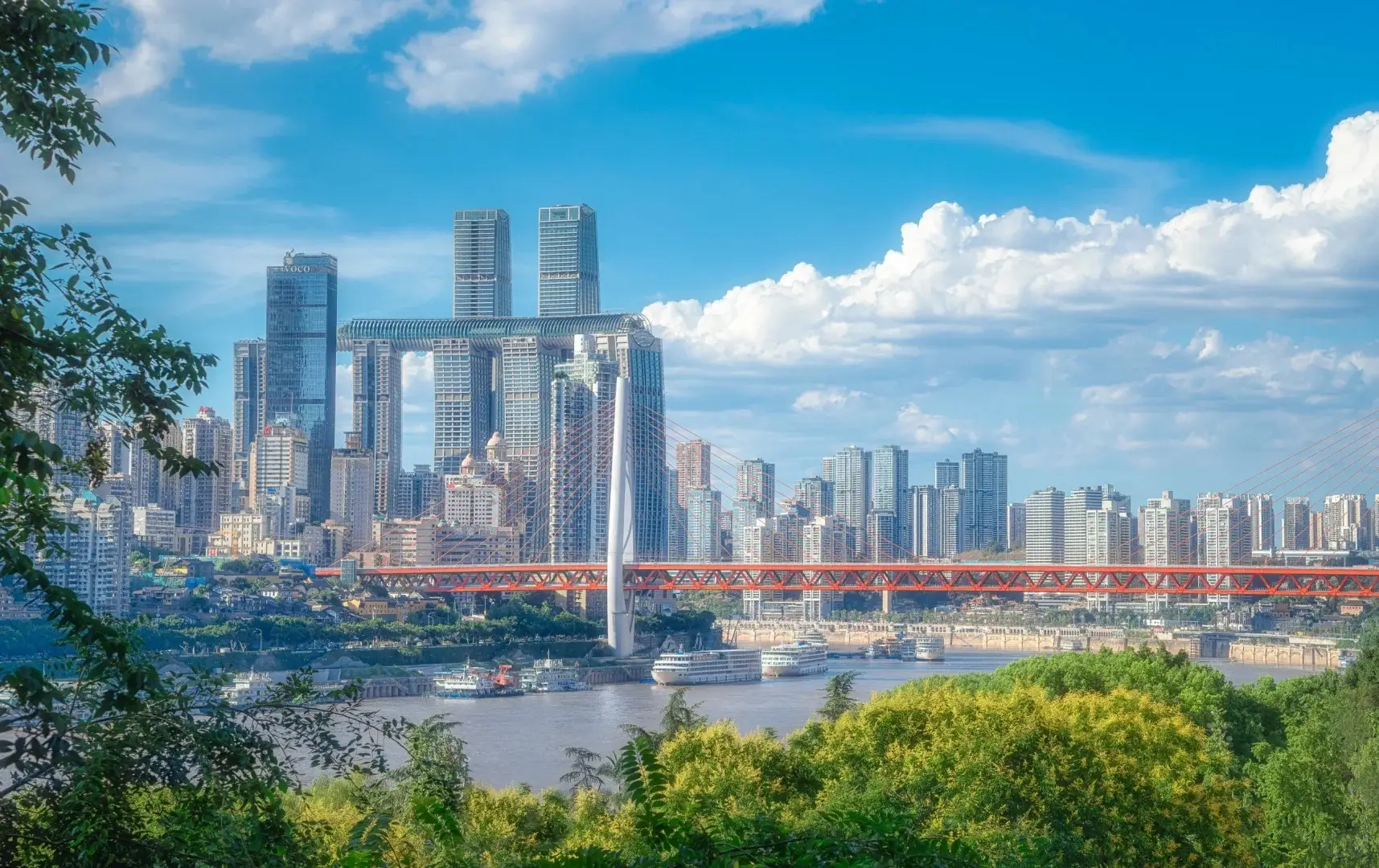
Take Metro Line 2 as it passes through residential buildings, or visit Hongyadong at night to see Chongqing’s iconic cyberpunk style and layered skyline. The city feels like a real-life film set.
For stunning photos, head to the One Tree viewing platform on Nanshan, or visit Luling Test Field No. 2 at night. Both offer sweeping views of the illuminated city and are wonderful places to capture Chongqing’s dramatic urban scenery.
We recommend spending 2–3 days exploring the city. If you love nature, add a day trip to Wulong. For a deeper cultural experience, visit the Dazu Rock Carvings, a UNESCO World Heritage Site.
Explore our Chongqing tour itineraries.
7. Yunnan: Discover China’s Many Colours
Yunnan is one of my favourite destinations in China.
It is a place where you can slow down, leave the noise of work and everyday life behind, and truly enjoy the breeze, sunshine and everything nature has to offer.
In Yunnan, you will find snow-capped mountains, crystal-clear lakes, terraced fields, charming old towns and diverse ethnic cultures—all within one province.
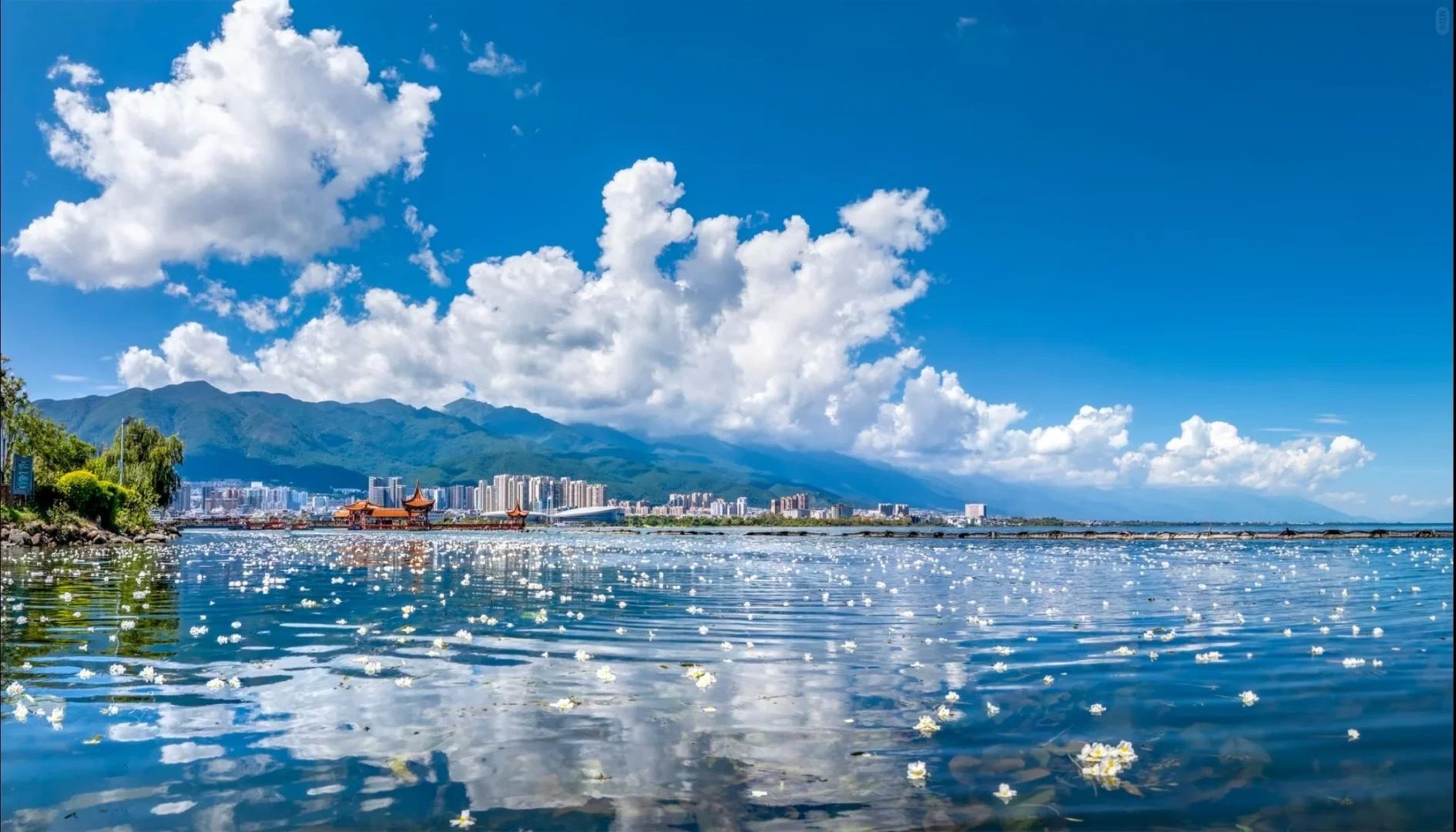
You can stroll through Lijiang Old Town and discover the charm of Naxi culture, or enjoy the breeze by Erhai Lake in Dali while watching seagulls dance across the sky.
Wake up before dawn and head to Meili Snow Mountain, where you can witness the breathtaking moment when the morning light turns the peaks golden.
Yunnan is a destination for all four seasons. In winter, you can see snow-covered mountains while still enjoying T-shirt weather in the sunny south.
In summer, temperatures here are cooler than in much of China, making Yunnan an ideal place to escape the heat.
For scenery, spring and autumn are particularly beautiful.
I recommend visiting from late October to early December, when the skies are clear, there are fewer visitors, and exploring popular attractions can be more enjoyable.
To explore Yunnan more fully, we recommend allowing at least a week. Take a look at our Yunnan tour itineraries.
8. Tibet: Experience the Spiritual Side of China
Tibet is perhaps one of the most moving travel destinations in China.
Here, you can admire the breathtaking beauty of the “Roof of the World” while experiencing a profound sense of spirituality and peace.
The Potala Palace and Jokhang Temple are among Tibet’s most iconic landmarks. Their significance lies not only in their remarkable architecture, but also in the way they allow you to feel the power of faith.
You may witness pilgrims performing full-body prostrations, hear the gentle hum of turning prayer wheels, and feel a sense of devotion that goes beyond words.
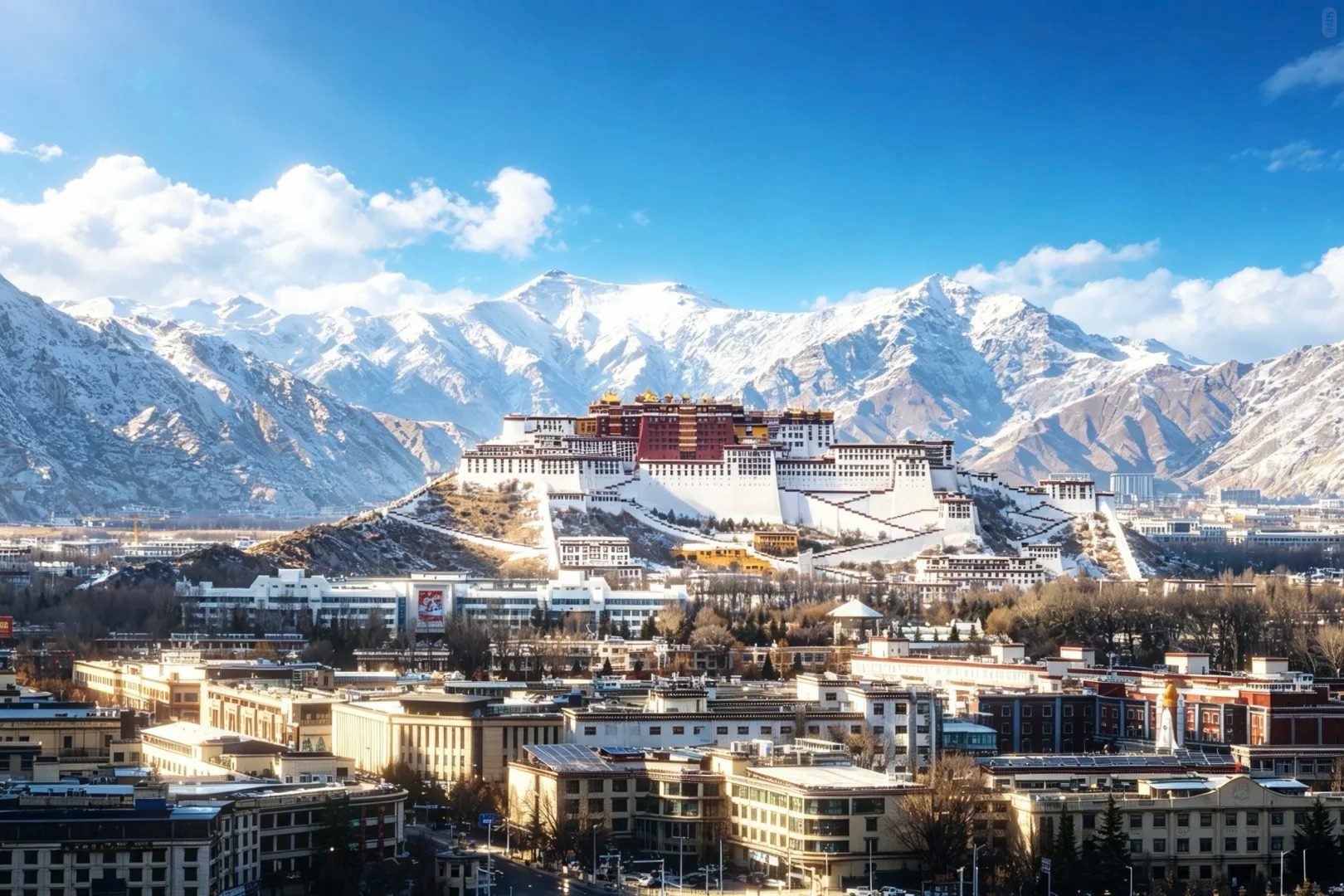
As you wander through the lively lanes of Barkhor Street, everyday Tibetan life unfolds before your eyes. The area is colourful, vibrant and full of authentic local character.
If you love nature, Tibet’s spectacular scenery will leave you in awe: the sacred blue waters of Namtso Lake, the serene beauty of Yamdrok Lake, and vast plateaus surrounded by snow-capped mountains.
For adventurous travellers, visiting Everest Base Camp to see the world’s highest mountain is an unforgettable, once-in-a-lifetime experience.
The best time to visit Tibet is during summer and autumn, when the weather is milder and it is generally easier to adjust to the high altitude.
Important note: Tibet is usually closed to foreign visitors in February and March each year.
If this is your first visit to Tibet, we recommend allowing at least 7–10 days. Spend 4–5 days in Lhasa first to acclimatise before travelling to higher-altitude areas.
For a more relaxed trip at a lower altitude, Nyingchi is an excellent choice. You can experience Tibetan culture while enjoying spectacular natural scenery. March and April are wonderful months to see the area’s famous peach blossoms.
9. Guilin: Discover Rural China
If you want to experience the countryside of China, Guilin is one of the best places to visit.
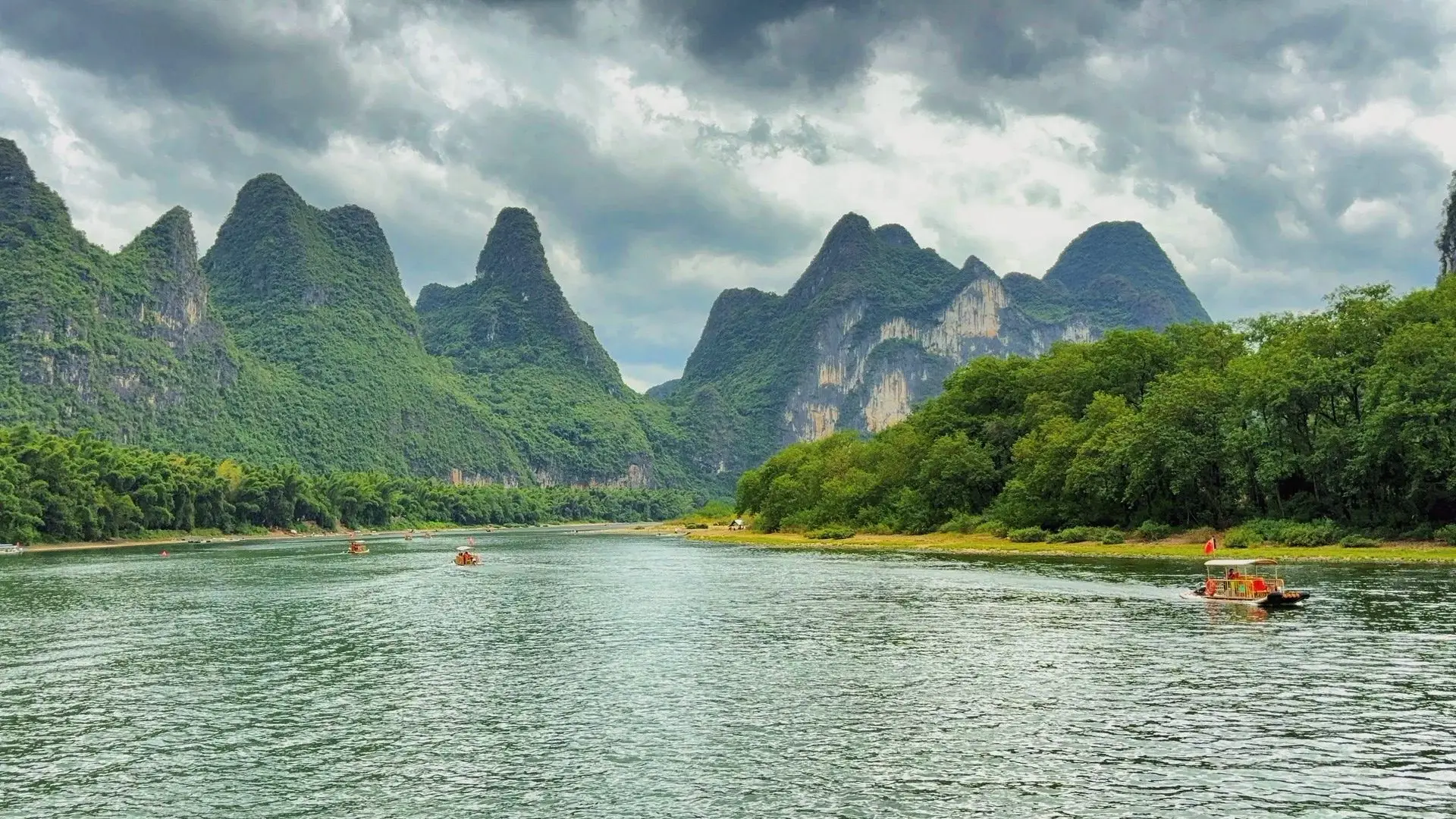
The mountains are not particularly high, yet they are imposing; the rivers are not deep, yet they are graceful and beautiful. Villages are scattered among fields and karst hills.
The classic experience is to take a cruise from Guilin to Yangshuo along the Li River, as though travelling through a traditional Chinese landscape painting.
In Yangshuo, adults and children alike can enjoy a variety of outdoor activities:
- Explore a natural limestone cave that has not been extensively developed for tourism.
- Cool off with a kayaking trip on the river.
- Cycle through picturesque fields and country lanes.
Beyond Yangshuo, the Longji Rice Terraces reveal another side of rural China. They are especially spectacular during the autumn harvest, when golden terraces ripple across the mountains.
You can also visit Yao and Zhuang ethnic minority villages, where you may learn to make bamboo-tube rice or taste traditional oil tea.
If you are planning a trip to Guilin, consider avoiding June. It is usually the wettest month and rainfall may affect your travel plans.
For visitors who simply want to enjoy Guilin’s natural highlights, 3–4 days is a good starting point.
But if you would like to slow down and experience rural life more deeply, a 5–6-day itinerary will offer a richer and more relaxing experience.
10. Xinjiang: Discover the Vastness of China
What makes Xinjiang truly unique is the striking contrast between its diverse natural landscapes and rich ethnic cultures.
In a single trip, you can travel across grasslands and deserts, snow-capped mountains and deep canyons, emerald lakes and dreamlike Yadan landforms.
Xinjiang feels very different from the rest of China. Its immense scale creates a deep sense of openness and freedom, as though you have travelled far beyond the modern world.
Xinjiang is vast. If you want to explore both northern and southern Xinjiang, allowing at least two weeks is a reasonable plan.
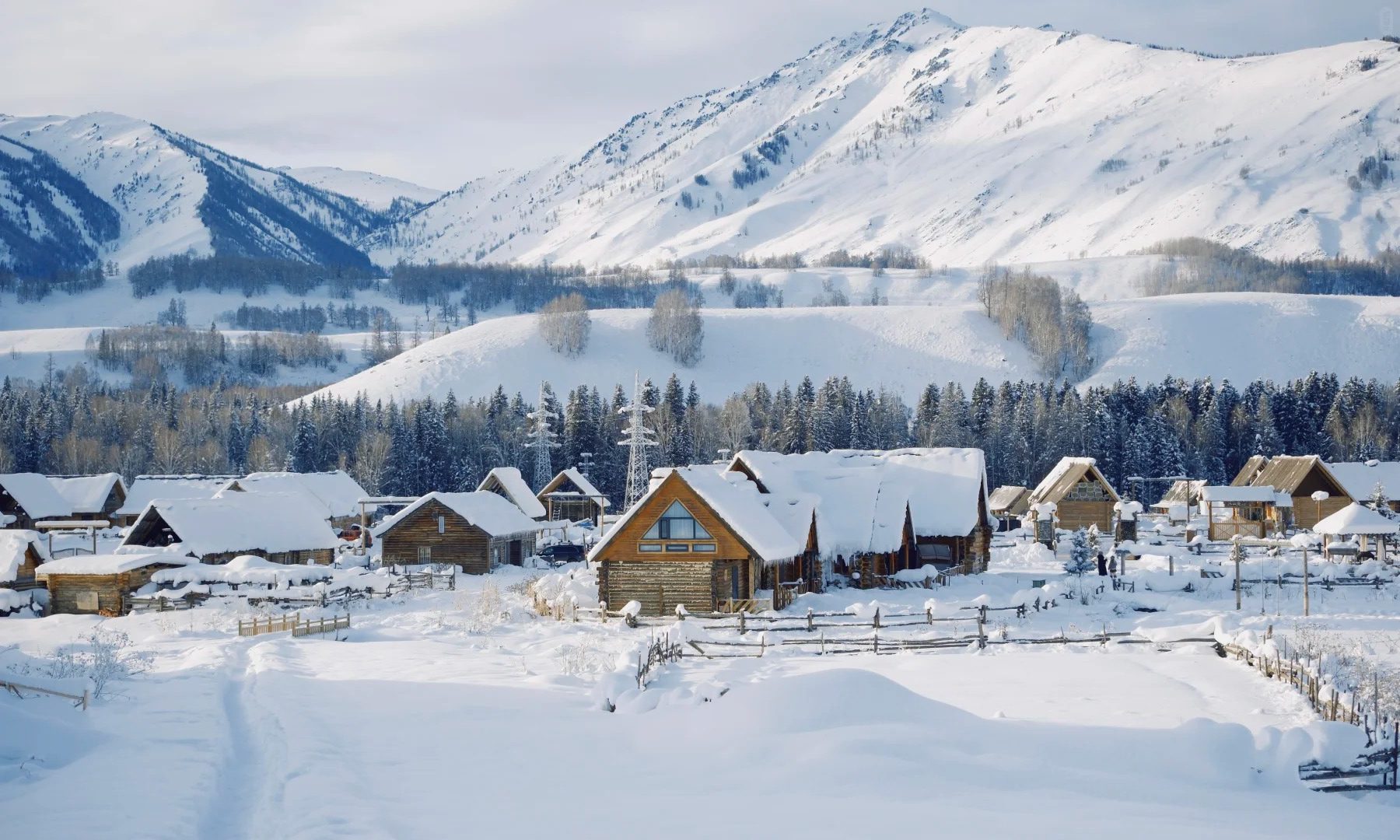
If you love natural scenery, northern Xinjiang is an ideal choice. You can ride a horse across the Nalati Grassland, hike along Kanas Lake, or wake up in Hemu Village and watch morning mist rise around the wooden houses. For details, explore our Xinjiang tour itineraries.
Best time to visit northern Xinjiang:
- May–June: Wildflowers bloom beneath snow-capped peaks.
- September–October: The forests around Kanas turn golden.
- November–January: Experience Hemu Village covered in a dreamlike blanket of snow.
If you are more interested in culture, history and desert landscapes, consider southern Xinjiang. Wander through the old town of Kashgar and experience everyday life filled with music and dance; explore the Taklamakan Desert; or ride a camel through groves of poplar trees.
Discover our “Southern Xinjiang Adventure”.
Best time to visit southern Xinjiang: Late October to early November, when the poplar forests are at their most beautiful and the weather is cool and pleasant.
A Global Network of Trust and Recognition

Our Promise
A 4-on-1 Team Dedicated to You.
YOUR
PERSONAL TRAVEL DESIGNER
“
We’re Travelers First, Planners Second.”

Deeply rooted in Asia for authentic advice. Passionate about crafting your unique story.
YOUR
LOCAL
STORYTELLER
“
We share the stories you won’t find in a guidebook”

Connecting you with the top 20% of local storytellers. Your personal photographer for cherished moments.
YOUR
PRIVATE DRIVER
& CAR
“
20% more space, 100% on your schedule.”

A seamless journey that moves at your own pace. Your private, comfortable space on the road.
YOUR
24/7
TRAVEL SUPPORT
“
Any Problem, Anytime, Anywhere.”

Your safety and peace of mind are our priority. Instant responses, so you’re never left waiting.